Baking Hermann
Recipes

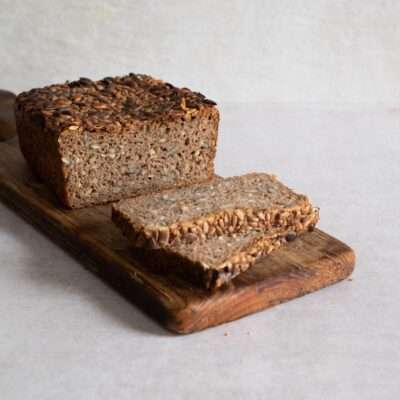
Sourdough Seeded Rye Bread

Being raised in Germany, whole-grain rye bread, or Vollkornbrot/Roggenbrot, has always been a common sight at local bakeries. But growing up a fussy eater, I’ve never given it the credit it deserves. Dark rye flour is rich in minerals, vitamins and fibre and gives a deep, nutty flavour to the entire loaf. Pair this with scrambled eggs & chives, or smoked salmon & dill, or cultured butter & homemade jam, and you’ll quite quickly find rye bread becoming a staple in your home. If you have your own sourdough starter, it’s also surprisingly easy to make yourself. I first learned how to bake this bread through the wonderful E5 Bakehouse in East London. After a few changes and simplifications (but still very much inspired by their reliable recipe), I now arrived at the formula for a bread that makes a daily appearance on my breakfast table.
1 hr +

About Rye Bread

Being raised in Germany, whole-grain rye bread, or Vollkornbrot/Roggenbrot, has always been a common sight at local bakeries. But growing up a fussy eater, I’ve never given it the credit it deserves. Dark rye flour is rich in minerals, vitamins, and fibre and gives a deep, nutty flavour to the entire loaf. Pair this with scrambled eggs & chives, smoked salmon & dill, or cultured butter & homemade jam, and you’ll quite quickly find rye bread becoming a staple in your home. If you have your own sourdough starter, it’s also surprisingly easy to make yourself. I first learned how to bake this bread through the wonderful E5 Bakehouse in East London. After a few changes and simplifications (but still very much inspired by their reliable recipe), I now arrived at the formula for a bread that makes a daily appearance on my breakfast table.

Before you start

If you haven’t baked with sourdough yet, I’d recommend starting with my Sourdough Starter & Country Loaf recipe first. The step-by-step guide takes you through the process of creating your own starter through to baking your first bread. But even if you are familiar with sourdough cultures, there are a few things to note.

Rye flour develops far less gluten than wheat flour and therefore misses the support of the gluten chains to hold the structure. That’s why this recipe uses a loaf pan to give shape to the bread. Rye flour is also extremely high in nutrients that are accessible to the micro-organisms, which means the dough will ferment much faster than common wheat doughs. Lastly, rye flour absorbs more water than wholemeal wheat or bread flour. If you’d like to substitute the flour in this recipe, start with 100g less water and add more until you reach a moist yet pliable consistency.

Baking the bread

Professional bakeries have the ability to inject steam into the oven, which creates an environment in which the surface of the dough doesn’t darken considerably until the steam is removed so that the colour of the crust reaches its ideal point when the bread is baked through. For our rye bread, we therefore add a tray of water to the lower rack inside the oven as it pre-heats, so that the evaporating water generates steam for the first half of the bake. Bear in mind that fan settings extract the steam, so a conventional setting is preferred for this method.

Because rye flour absorbs plenty of water, the bread can seem quite moist. Always leave it to cool for 12 hours before slicing it. I won’t judge if you can’t wait that long, but you’ll notice that some of the dough might stick to the knife.

Lastly, if you’re struggling to loosen the bread from the tin, let it sit for 10-15 minutes after baking. The residue heat and oils will help it to sweat loose. Then gently go around the sides with a butter knife until you can lift out the bread.

Baking your Rye Bread

Ingredients

  • For the leaven:

    • 25g starter

    • 125g flour mix (see Sourdough Starter and Country Loaf)

    • 125g water

  • For the bread:

    • 450g lukewarm water

    • 500g rye flour

    • 12g salt

    • 80g pumpkin seeds +20g extra

    • 80g sunflower seeds +20g extra

    • Extra virgin olive oil

Method

6-12 hours before mixing your dough, make your leaven by mixing 25g of your starter with 125g of the flour mix and 125g of cold water.

Dissolve 250g of the leaven in the water (use the rest to feed your starter). Add all of the remaining ingredients apart from the extra seeds. Mix thoroughly.

Grease a loaf pan (3 lb) with olive oil. With wet hands, lift out the dough and shape it into an oval form, before placing it into the tin.

Press it down to flatten the surface. Sprinkle the remaining seeds on top and press them in slightly. Then cover the tin with a clean tea towel and proof the dough at room temperature until doubled in size (around 4-6 hours).

Place a tray filled with water on the bottom of the oven and preheat to 250° C (230° C fan).

Bake the loaf for 25 min. Decrease the temperature to 220° C (200° C fan), carefully remove the tray with water and bake for another 25 min. Let it cool for 12 hours before slicing.
Sourdough Seeded Rye Bread

Being raised in Germany, whole-grain rye bread, or Vollkornbrot/Roggenbrot, has always been a common sight at local bakeries. But growing up a fussy eater, I’ve never given it the credit it deserves. Dark rye flour is rich in minerals, vitamins and fibre and gives a deep, nutty flavour to the entire loaf.
Active Time 20 minutes
Course Breakfast
Cuisine German
Servings 4

Ingredients
  

For the leaven

  • 25 g starter
  • 125 g flour mix (see Sourdough Starter and Country Loaf)
  • 125 g water

For the bread

  • 450 g lukewarm water
  • 500 g rye flour
  • 12 g salt
  • 80 g pumpkin seeds + 20g extra
  • 80 g sunflower seeds + 20g extra
  • extra virgin olive oil

Instructions
 

  • 6-12 hours before mixing your dough, make your leaven by mixing 25g of your starter with 125g of the flour mix and 125g cold water.
  • Dissolve 250g of the leaven in the water (use the rest to feed your starter). Add all of the remaining ingredients apart from the extra seeds. Mix thoroughly.
  • Grease a loaf pan (3 lb) with olive oil. With wet hands, lift out the dough and shape it into an oval form, before placing it into the tin.
  • Press it down to flatten the surface. Sprinkle the remaining seeds on top and press them in slightly. Then cover the tin with a clean tea towel and proof the dough at room temperature until doubled in size (around 4-6 hours).
  • Place a tray filled with water on the bottom of the oven and pre-heat to 250° C (230° C fan).
  • Bake the loaf for 25 min. Decrease the temperature to 220° C (200° C fan), carefully remove the tray with water and bake for another 25 min. Let it cool for 12 hours before slicing.
Print Recipe

0 Comments

Submit a Comment

Your email address will not be published. Required fields are marked *

Recipe Rating


Recent Recipes

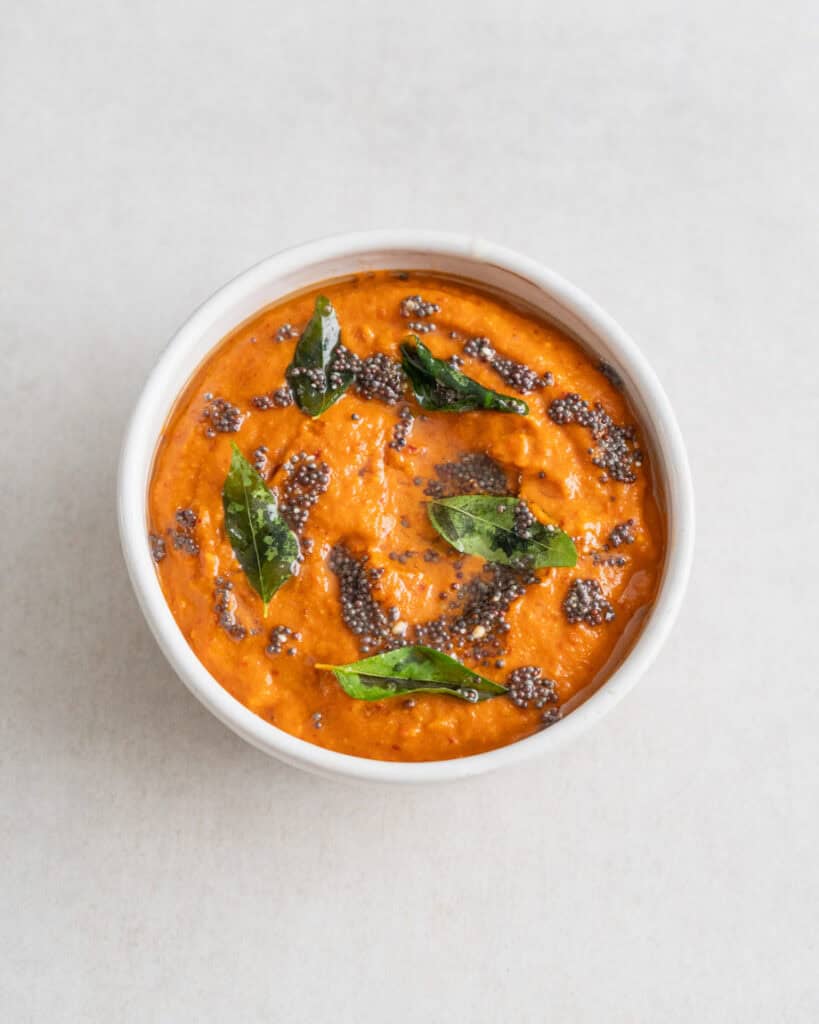
Kara Chutney (Spicy Indian Garlic, Onion and Tomato Chutney)

Kara Chutney (Spicy Indian Garlic, Onion and Tomato Chutney)

Chutneys are a powerful way to enrich a great many Indian dishes with varying flavors and textures. To add a little bit of heat, Kara Chutney is a fiery asset to have in your chutney repertoire. My Recipe Videos [mv_playlist id="5541" jsonLd="false" key="5541"...

Dosa (South Indian Fermented Rice & Lentil Pancakes)

Dosa (South Indian Fermented Rice & Lentil Pancakes)

Dosa needs no introduction. It has long gained popularity around the world as a thin, cylinder-shaped, crispy pancake that is served so large, it reaches far over the edges of the plate. In South India's Bengaluru, however, another version of dosa reigns supreme....

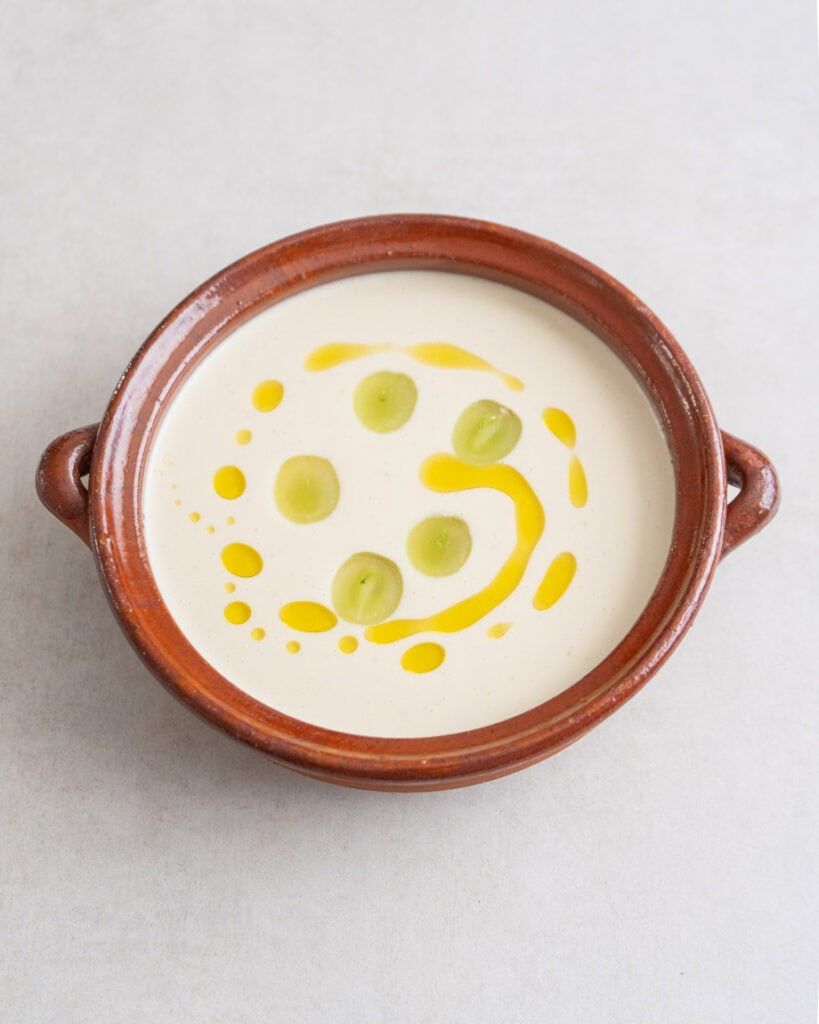
Ajo Blanco (Spanish Bread & Almond Soup)

Ajo Blanco (Spanish Bread & Almond Soup)

The first time I made Ajo Blanco was an absolute mess. I can't recall what recipe I followed, but the ratios were completely off and it included unnecessary steps of passing the blended soup through a sieve. I faintly remember trying to squeeze a pulp-like mix of...

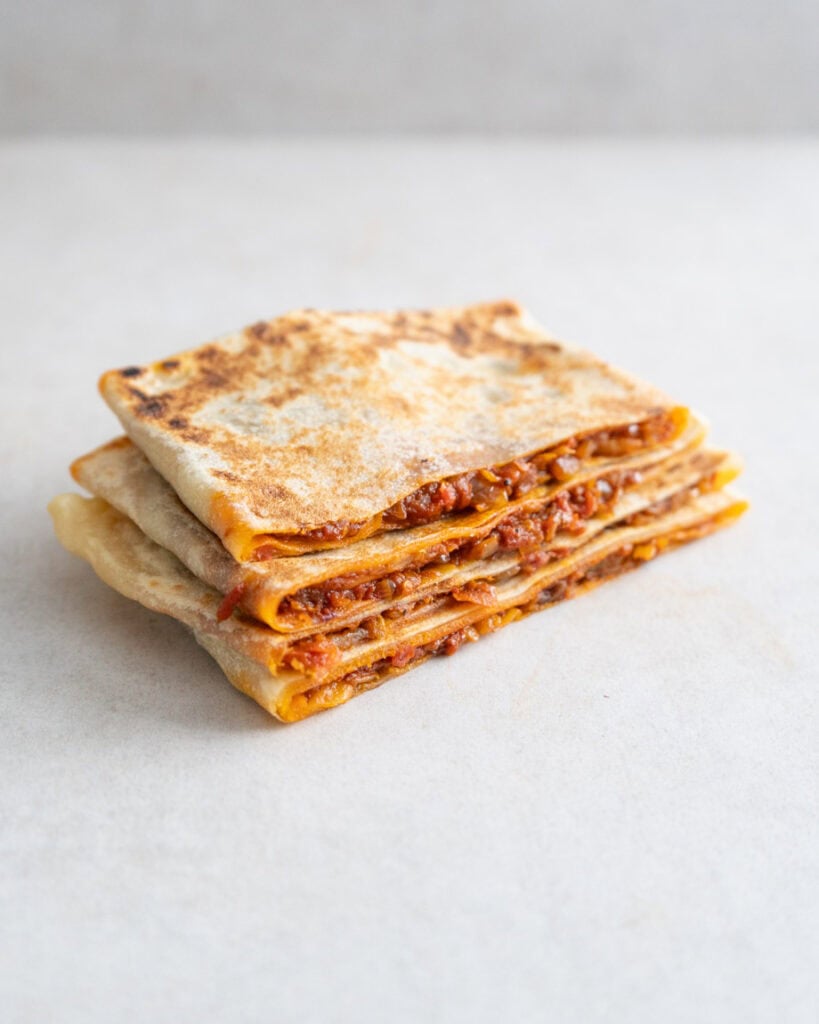
Mhajeb (Algerian Stuffed Flatbreads)

Mhajeb (Algerian Stuffed Flatbreads)

Upgrade your flatbread game with these Algerian Mhajeb. Flatbreads are delightful, especially when stuffed, but Mhajeb take it to the next level. The dough is stretched out so thin that you can literally see your hand through it. The result is incredible soft layered...

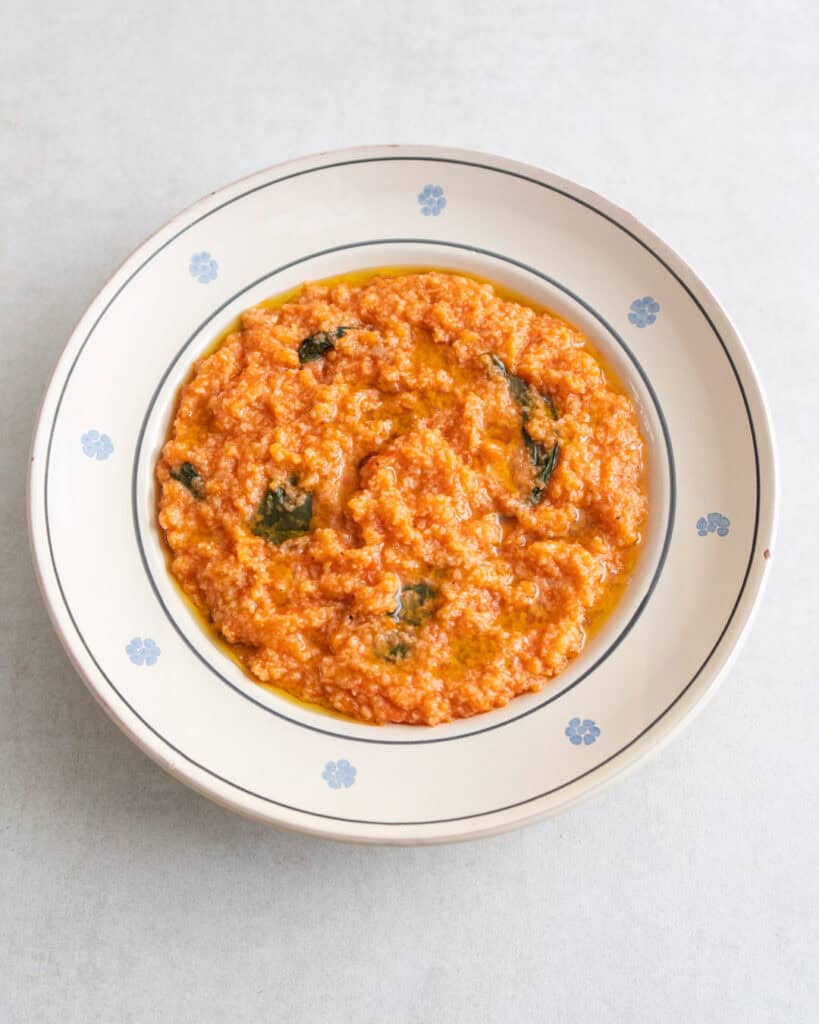
Pappa al Pomodoro (Tuscan Tomato and Bread Soup)

Pappa al Pomodoro (Tuscan Tomato and Bread Soup)

Cucina Povera, Italy's kitchen of the poor, has long been known for its use of simple, humble ingredients and frugal cooking methods. With a lack of expensive ingredients, resourcefulness became a priceless way to make food more flavoursome and nourishing. And often...

Kuzhi Paniyaram (Indian Crispy Lentil & Rice Balls)

Kuzhi Paniyaram (Indian Crispy Lentil & Rice Balls)

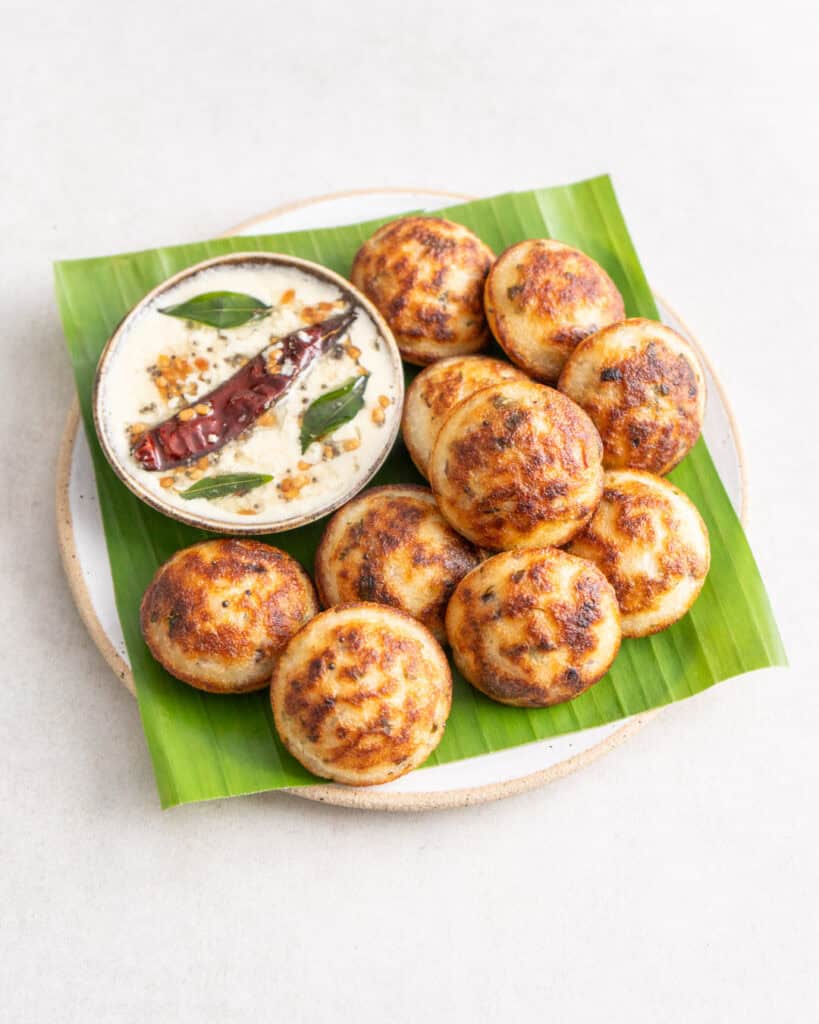
Ever since I made Idli for the first time, they have become a firm favourite. There is something magical about being able to mix together a simple batter made from rice and lentils and let it ferment all by itself without the need for any form of added yeast. A...

Peanut Spread (Gluten-free)

Peanut Spread (Gluten-free)

Previously, I've made tofu out of chickpeas, green peas, red lentils, black beans and, the traditional one, soybeans. Which is another way of saying that you can make tofu out of pretty much any legume. If you'd like to know more about this, check out my Any Legume...

Çiğ Köfte (Turkish Bulgur Balls)

Çiğ Köfte (Turkish Bulgur Balls)

Who would have thought that the Turkish Health Ministry would play a part in creating one of the country's most iconic plant-based street food dishes? Çiğ Köfte has long been a staple food in the southeastern parts of Türkiye. However, it is traditionally made with a...

Curry Leaves Ice Cubes

Curry Leaves Ice Cubes

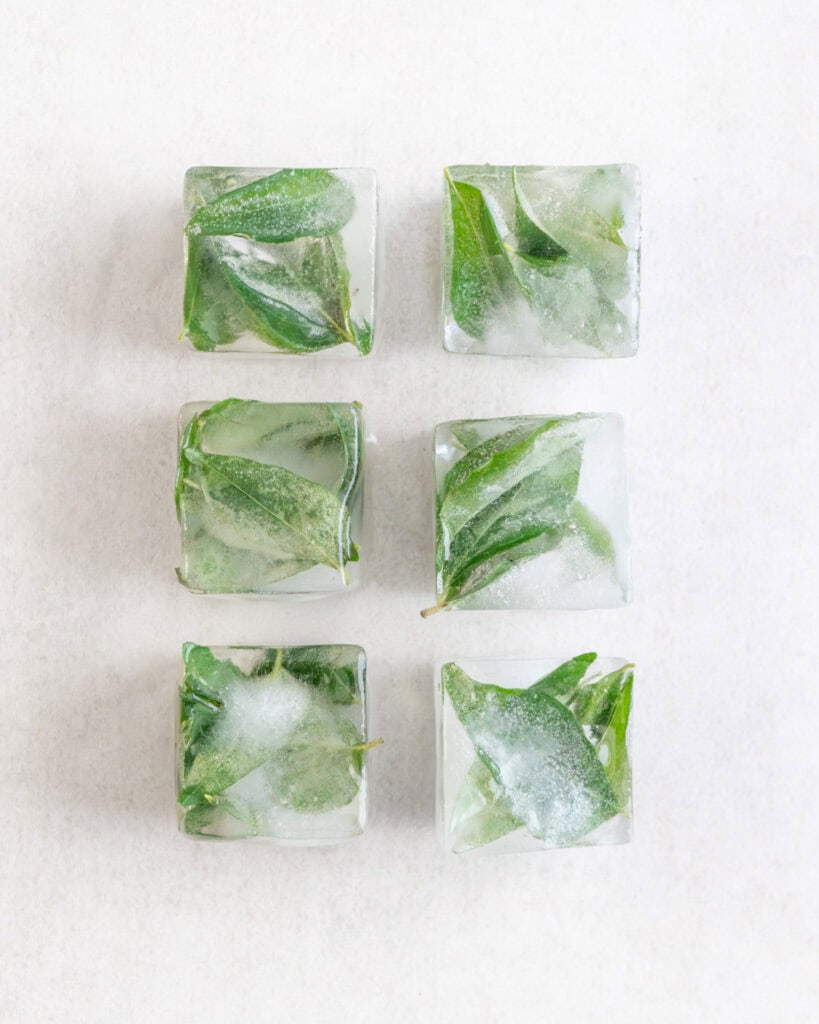
Curry leaves grow in abundance in India and are easily available in most shops for a few rupees. But if you live elsewhere you might find it difficult to source them. The trouble is that curry leaves are an incredibly aromatic and delicious addition to Indian food....

Kenyan Chapati

Kenyan Chapati

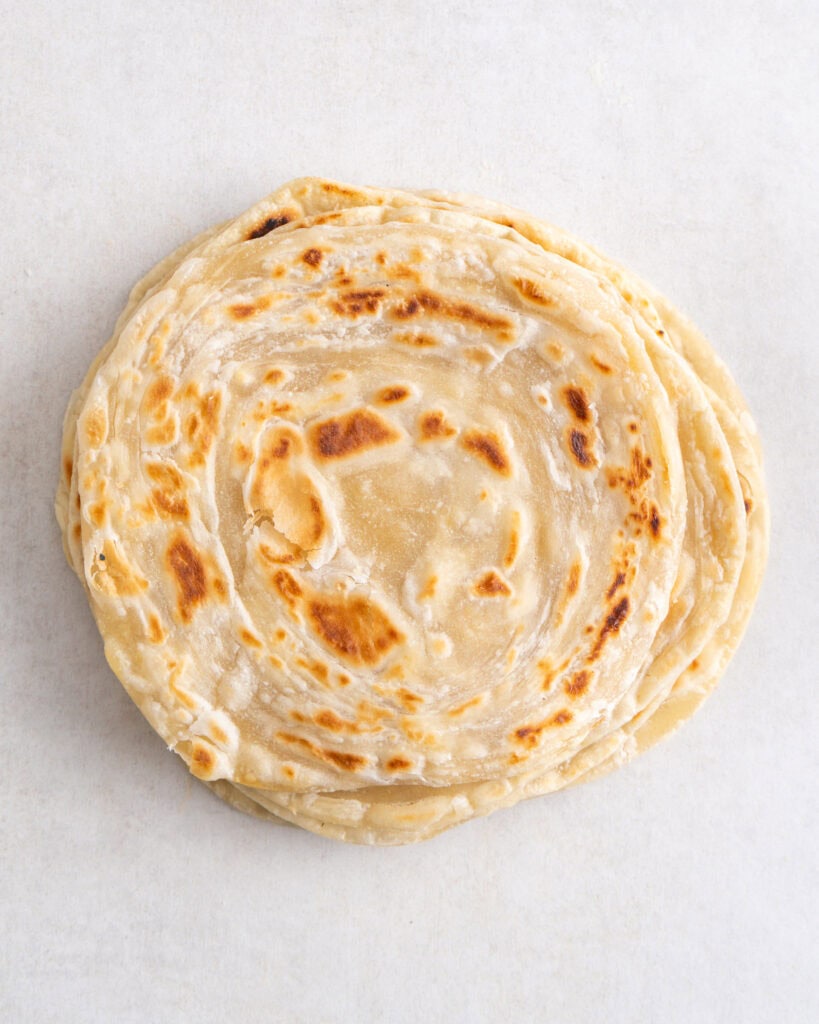
These flakey flatbreads are the perfect companion to Ndengu, a rich Kenyan mung bean curry. Although called chapati, it is similar to Indian Laccha Paratha, one of the many cross-cultural influences from the Indian subcontinent that workers brought to Kenya in the...

Ndengu (Kenyan Mung Bean Curry)

Ndengu (Kenyan Mung Bean Curry)

In the 19th century, thousands of Indian workers were employed in Kenya to build a vast local railway network. They brought with them their own food culture and used ingredients and cooking methods to create dishes that felt close to home. Today, many Kenyan dishes...

Hazelnut Tofu (Hazelnut Dofu)

Hazelnut Tofu (Hazelnut Dofu)

Imagine the flavour of roasted nuts captured into a creamy pudding. That's what Hazelnut Dofu is all about. It's inspired by Goma Dofu, a traditional Japanese appetiser that is made with sesame seeds and kuzu starch. But you can follow the same method and turn any nut...