
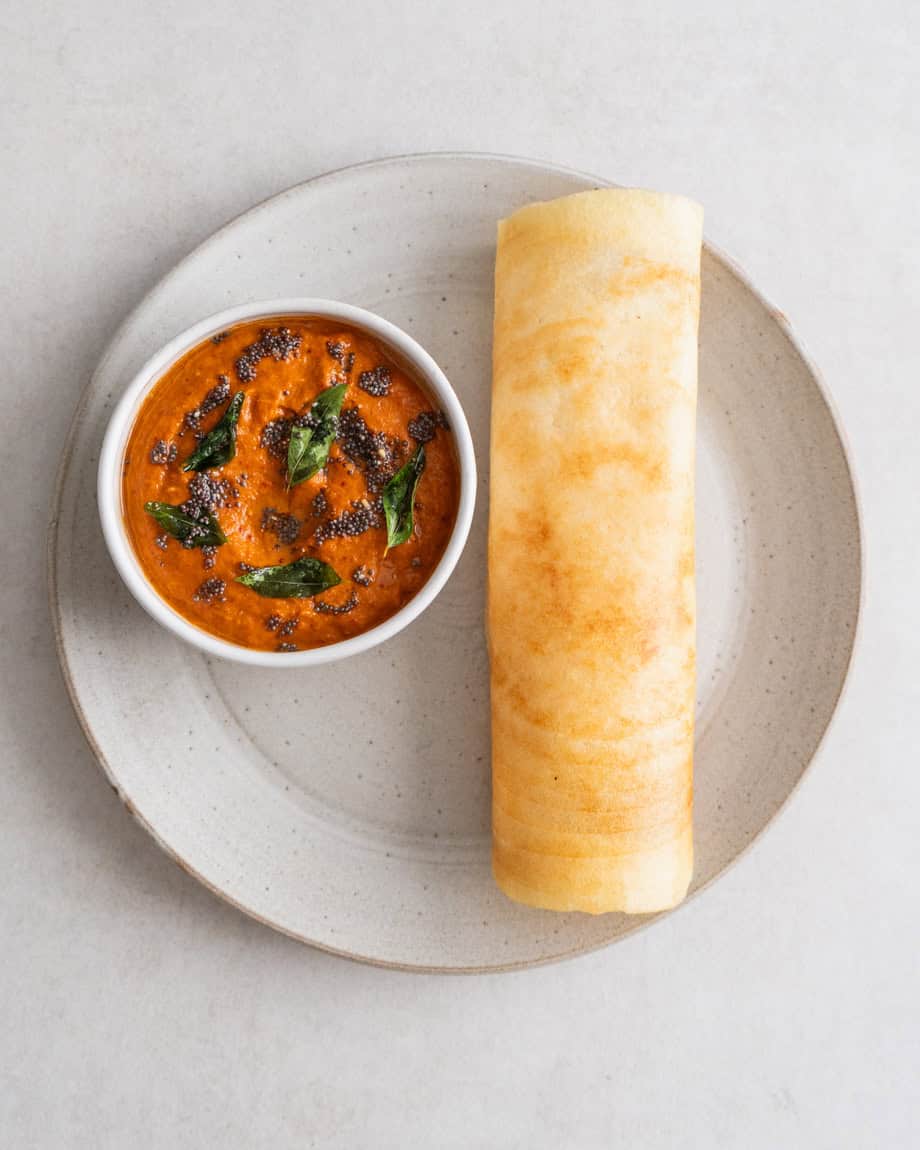
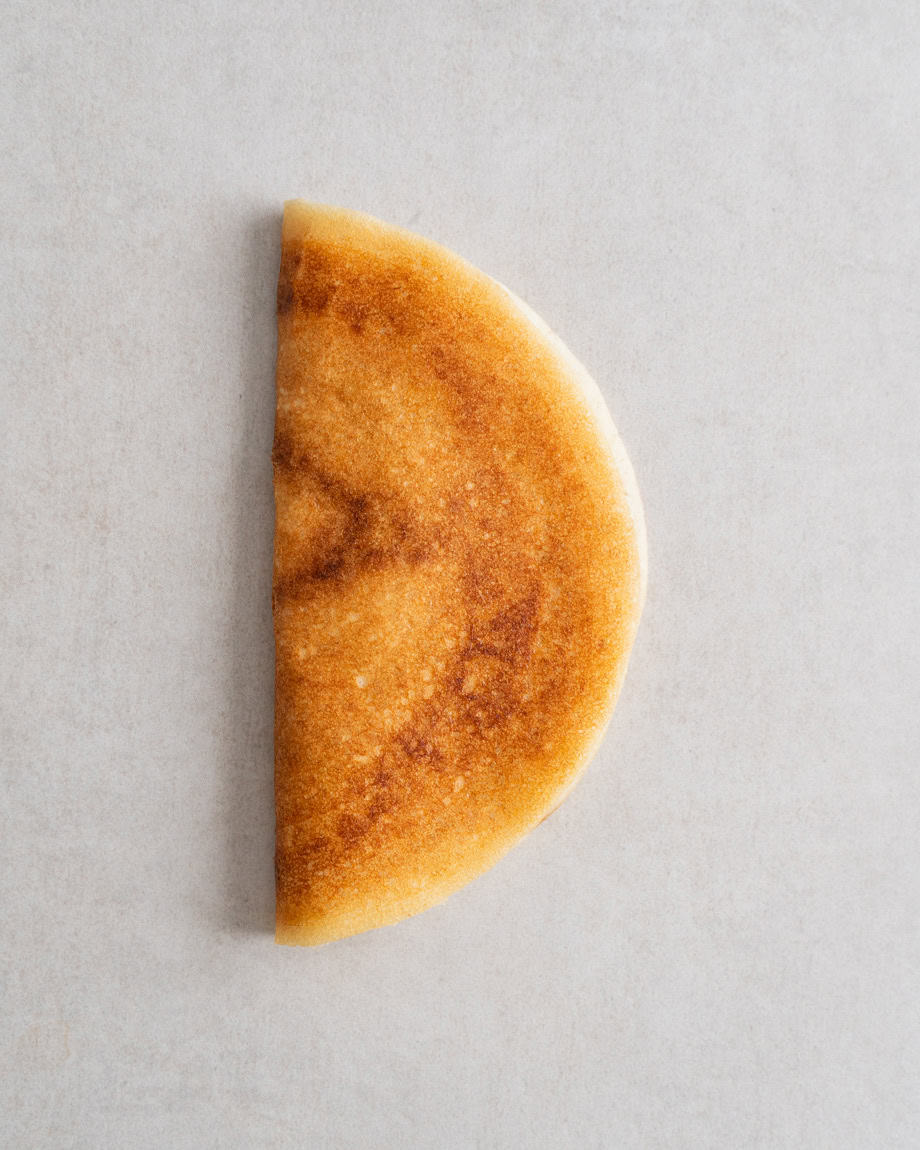
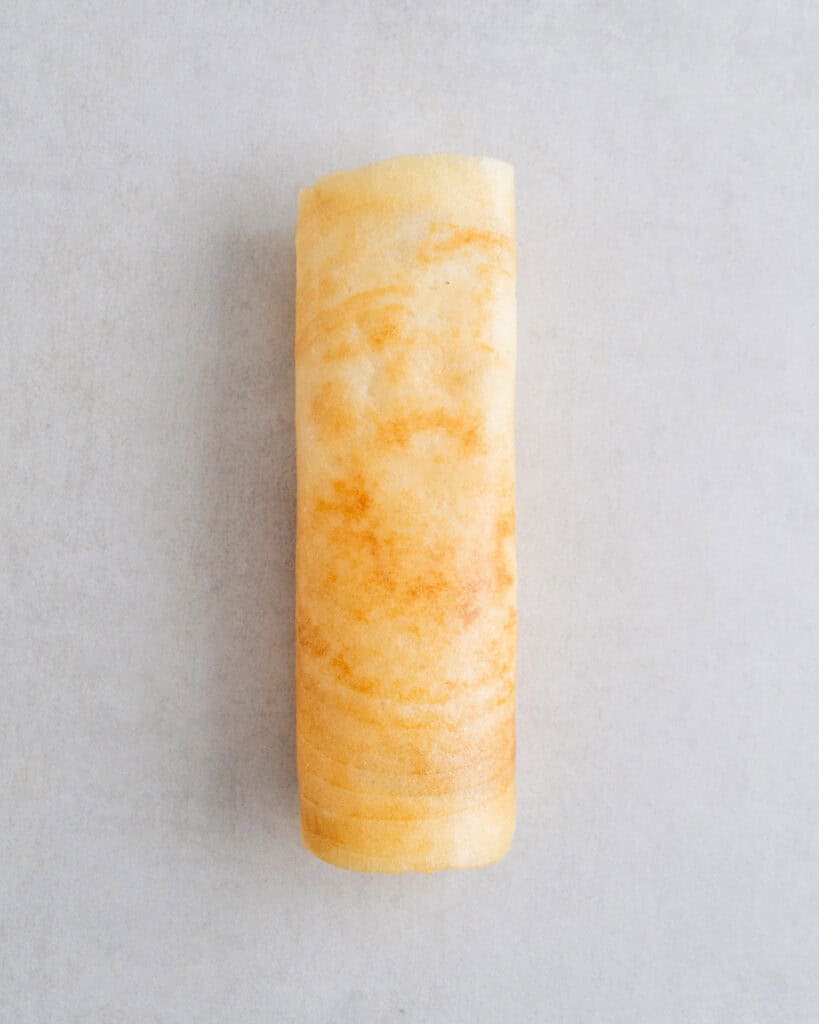
Dosa needs no introduction. It has long gained popularity around the world as a thin, cylinder-shaped, crispy pancake that is served so large, it reaches far over the edges of the plate. In South India’s Bengaluru, however, another version of dosa reigns supreme. Here, the batter is spread out into a smaller but thicker pancake that is fried until dark golden and simply folded in half. The result is a crispy exterior with a slighty softer interior. Whichever version you prefer, this easy Indian Dosa recipe takes you through all the steps on how to make dosa at home.
My Recipe Videos
What is Dosa?
Dosa is a form of “pancake” that is made from a fermented batter of primarily rice and urad dal (husked black lentils). It’s a healthy breakfast in South Indian cuisine that is traditionally vegan and gluten-free and often enjoyed with a variety of accompaniments like Coconut Chutney, Sambar, and potato masala.
It’s believed that dosa has already been part of Tamil food culture as far back as the 1st century, when it was first mentioned in the local literature. How exactly it originated is however unclear. One popular origin story tells the legend of a Brahmin cook from Udupi who sought to break free from the constraints of his religious duties. To experience a sense of liberation, he decided to experiment with alcohol, something typically off-limits for Brahmins. With no access to conventional alcohol, he attempted to ferment rice in the hopes of achieving a euphoric state. Unfortunately, his efforts were in vain, and the concoction he produced fell far short of his expectations. Out of frustration or perhaps creativity, he poured this mixture onto a hot pan and spread it out. Once cooked, this experiment yielded the familiar crepe-like food we now call dosa.
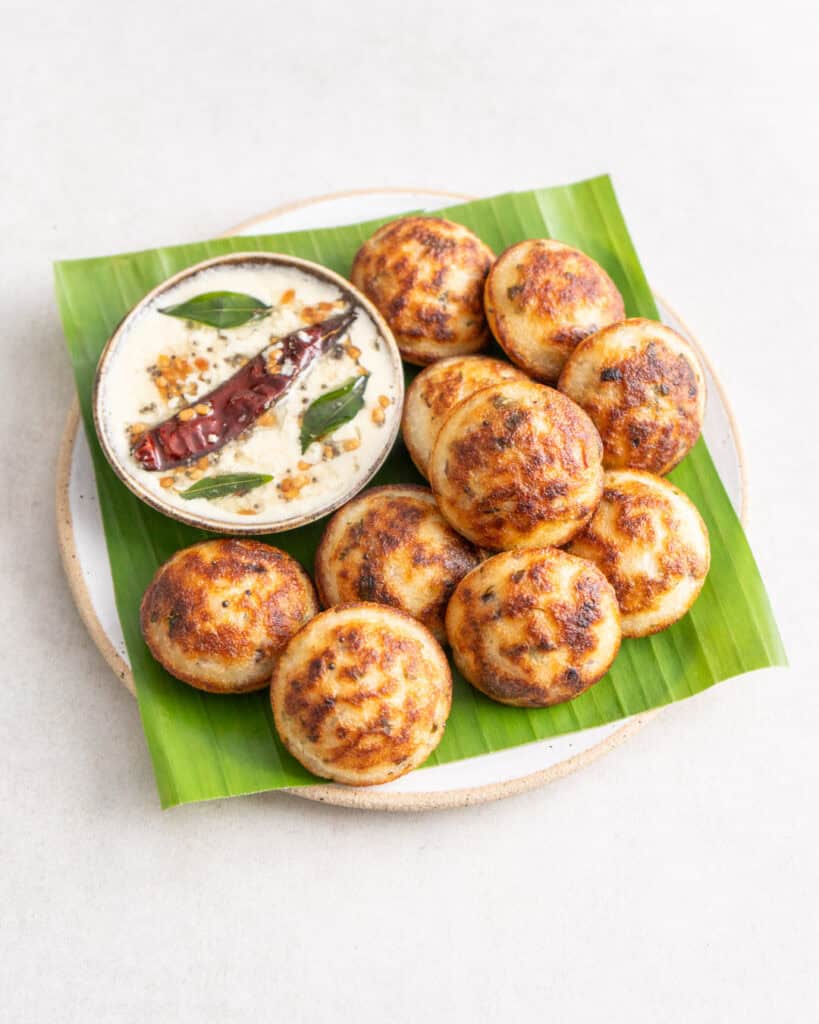
Fermenting your own batter from scratch might seem intimidating, but once you’ve mastered the process it unlocks the door to many South Indian recipes that follow a similar process, like Idli, Kuzhi Paniyaram or Uttapam.
Ingredients You’ll Need & How to Substitute
To make the perfect dosa, you’ll need the following ingredients:
- Idli Rice: A parboiled rice that is used specifically for making Idli and Dosa. It helps to give the dosa the right texture.
- Sona Masoori Rice: The raw rice gives the dosa a crispy texture. You can also use basmati rice or even other cereal grains like millet.
- Urad Dal: Husked and often split black gram lentils are key to achieving the dosa’s soft and spongy texture, while also promoting fermentation.
- Chana Dal: Gives the Dosa a crispy texture. This is optional and can be left out.
- Fenugreek Seeds: Help with fermentation, especially in colder climates. In warmer climates, they are optional.
- Poha: Helps to make a light batter so that the Dosa does not become dense. You can use thin or medium poha.
- Onion: Creates a non-stick layer in a cast iron pan.
How to make Dosa at home (step-by-step)
Soak the Ingredients. The day before, add both types of rice to a bowl and wash in plenty of fresh water. Drain and repeat two more times, then soak in fresh water for 3–4 hours.
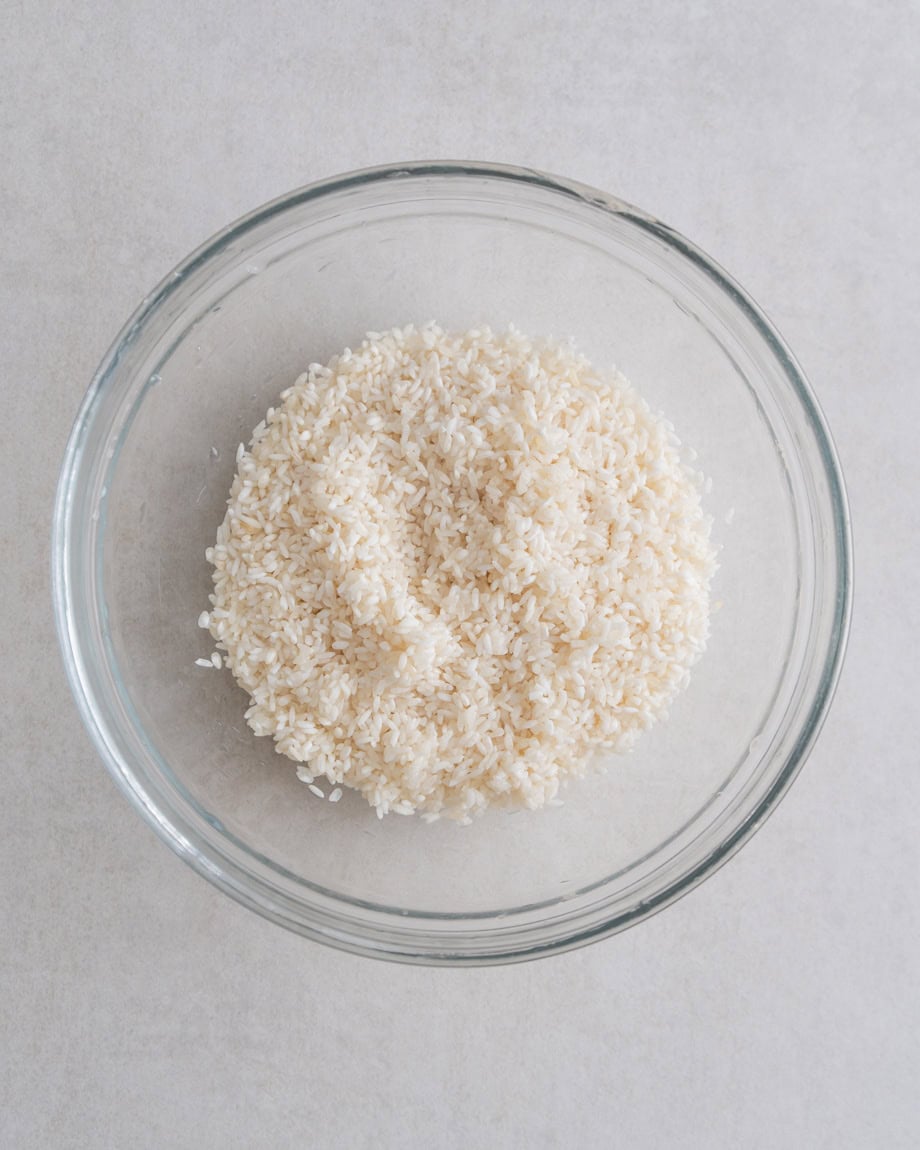
Add the urad dal, chana dal, poha and fenugreek seeds to a separate bowl and wash just once with plenty of water (otherwise you remove too much of the natural yeasts). Drain, then soak in fresh water for 3–4 hours.

Grind the Batter. Drain the rice but keep the soaking water. Add the rice to a high-speed blender (I used my Vitamix E310) with 130–150ml of the reserved water and blend to a slightly grainy but pourable paste. Transfer to a large bowl and rinse the blender.
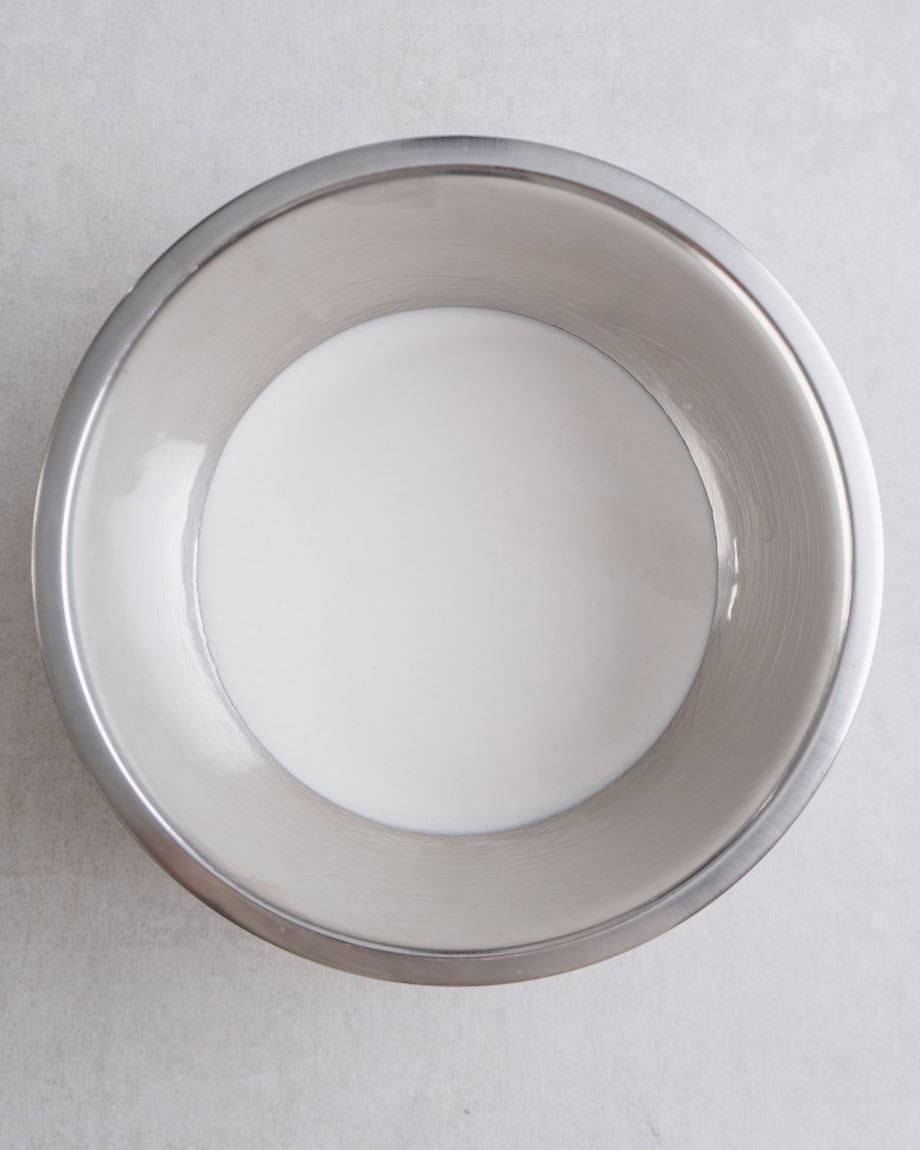
Drain the urad dal, chana dal, poha and fenugreek seeds but keep the soaking water. Add them to the high-spreed blender with 150–170ml of the reserved water and blend to a smooth paste (a small amount dropped into a bowl of water should float).

Add it to the rice paste.
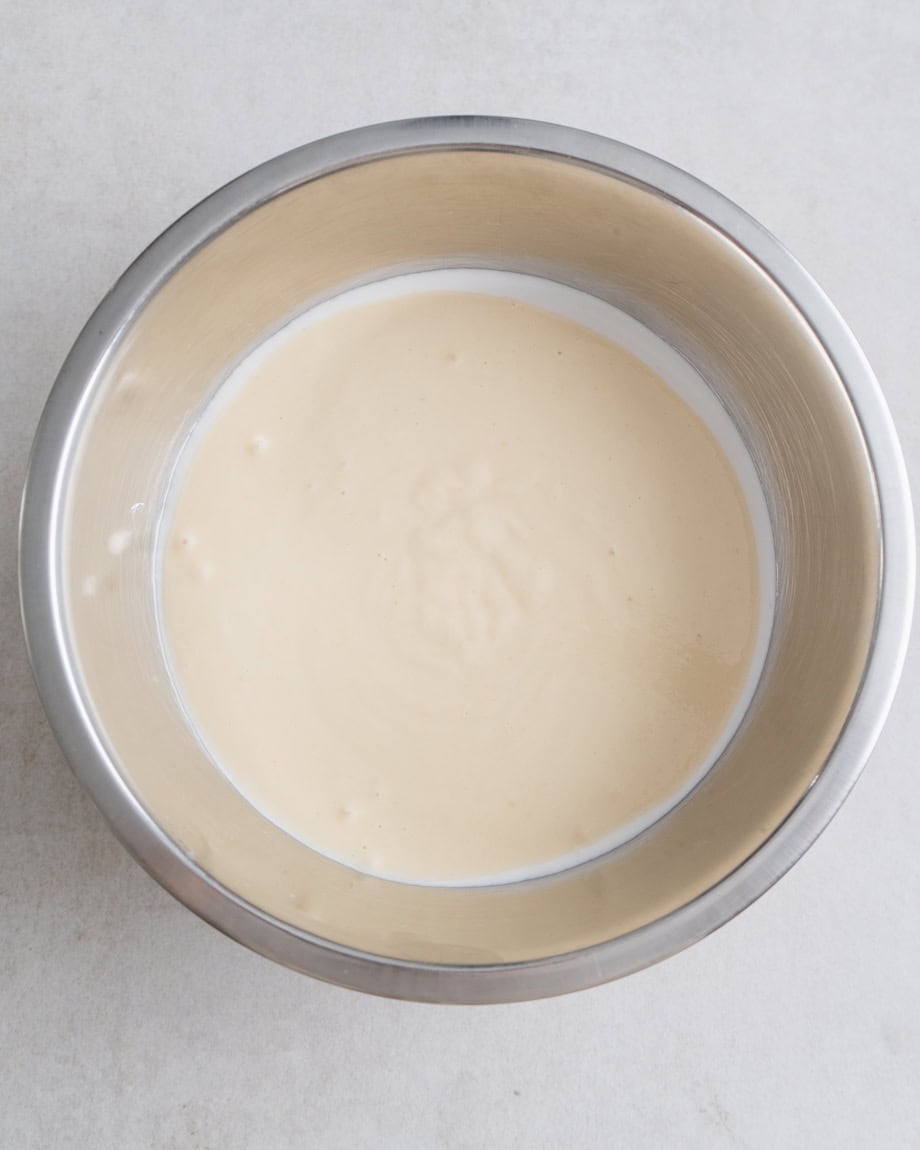
Ferment the Batter. Mix well with your hands to kick off the fermentation. Cover the bowl with a plate and leave to ferment for 8–24 hours in a warm place (such as the oven with just the light switched on). The fermented batter should have risen in volume and smell tangy.
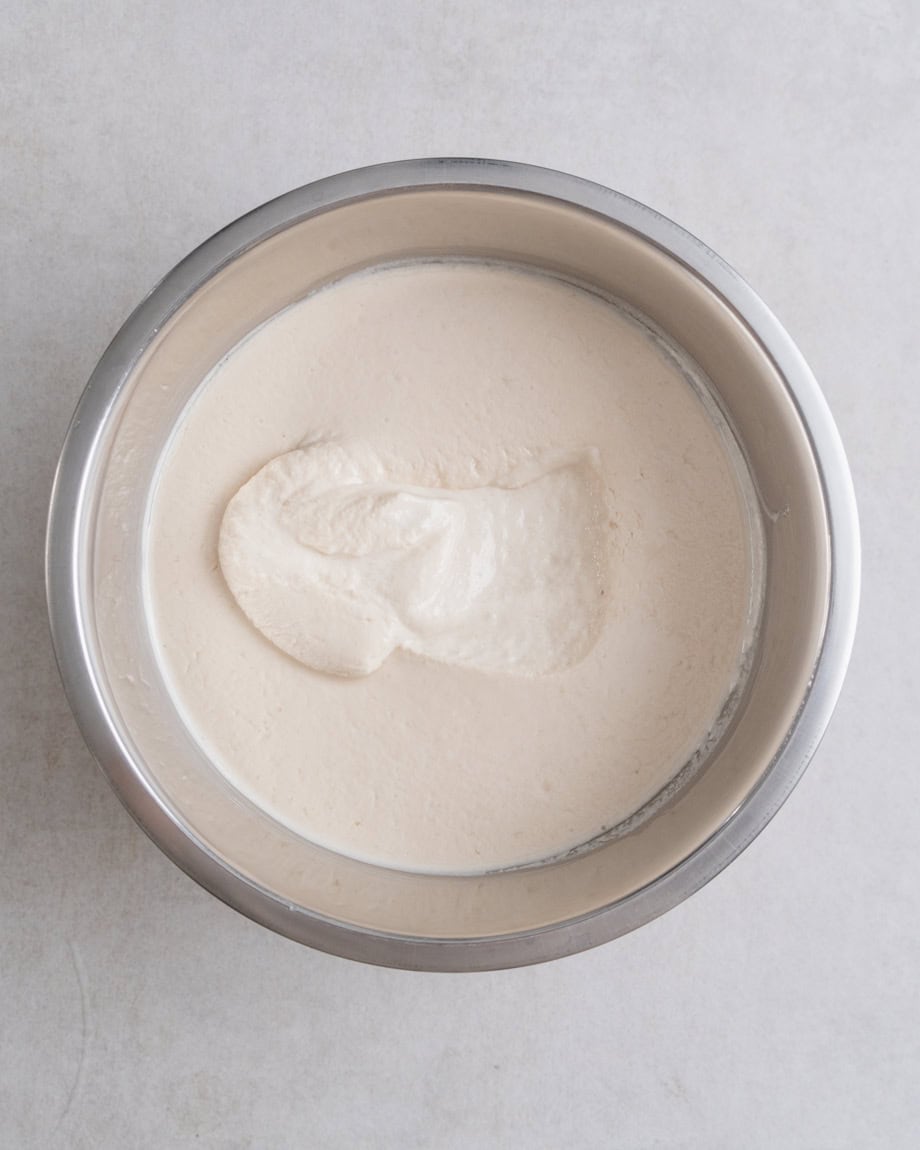
Once ready, store it in the fridge until needed. Before continuing with the dosa, make the Sambar, Coconut Chutney and/or Kara Chutney.
Cook the Dosa. Before frying, add the 1 teaspoon (7g) of salt to the dosa batter and, if necessary, some water (around 50ml) to achieve a thick pouring consistency, similar to a pancake batter. Give the batter a good mix to stir out some of the air, otherwise it won’t spread evenly. You can use a non-stick frying pan or a cast iron skillet to make the dosa.

Useful Tips For Fermenting the Batter & Making Your Dosa
- Washing the dal: Only wash and drain the dal once. It contains most of the natural yeasts that will kick off the fermentation and washing it too often might remove them.
- Fenugreek seeds: In colder climates, make sure to use fenugreek seeds to aid fermentation.
- Soaking Liquid: Some of the components that help with the fermentation leak into the water during soaking, so I always use the soaking liquid to grind the batter.
- Salt: Add the salt after the fermentation in colder climates. Although salt creates a more stable fermentation, it slows down the initial onset of the fermentation itself. If you live in warmer climates, adding salt before fermenting makes for a more steady fermentation and can reduce the risk of it over-fermenting too quickly.
- Ambient Temperature: For better fermentation, keep the batter in a warm spot, like an oven with the light on, especially in colder climates.
- Consistency: The rice batter should be a little coarser, similar to cornmeal. It should be quite thick but still easily pourable. The dal batter should be thick and smooth. A good check for the dal batter is to add a teaspoon of it to a bowl of water. It should float. The fermented dosa batter should also have a pouring consistency. It thickens a little bit during the fermentation, but you can adjust it before making the dosa by adding a little water.
- Crispiness: To achieve a crispy dosa, spread the batter thinly and cook it over low to medium-low heat. Using oil will also help to crisp up the dosa.
- Pan Choice: A cast-iron skillet gives a traditional texture and flavor, but a non-stick pan is easier to handle. You want to make sure that both pans are well pre-heated, but not too hot. For a cast-iron skillet, splash some water into the pan to cool it down. The water should sizzle vigorously. Wipe the pan dry with some folded kitchen paper, then add a few drops of oil and spread them out with the cut side of an onion, which will create a non-stick layer. With this method, frying slightly thicker Bengaluru-style dosa until golden brown works best. For a non-stick pan, you don’t need to add any oil. Simply add the batter to the hot pan.
Why You’ll Love This Dosa Recipe
- Naturally & Traditionally Vegan: there are no substitutes to make this recipe plant-based. It is traditionally served this way.
- Gluten-Free
- Healthy: The fermentation converts the carbohydrates and proteins in the batter into easier-to-digest forms and increases the bioavailability of certain nutrients, such as folate, iron and zinc.
- The basis of many South Indian staples: once you mastered how to make a dosa batter, you’ll also be able to make Idli, Uttapam and Kuzhi Paniyaram
How to Store Dosa
Dosa is best enjoyed right after frying, as it becomes stale once it cools down. Rather than storing cooked dosa, you can keep any leftover batter in the fridge for up to 5 days and use it straightaway. You can also use the leftover batter to make Kuzhi Paniyaram.
Other Indian Recipes You Might Like
- Idli: Fluffy rice & lentil cakes made from a similar batter
- Kuzhi Paniyaram: Crispy rice & lentil balls that can be made with leftover dosa batter
- Uttapam: Fluffy rice & lentil pancakes made from a similar batter
- Sambar: A delicious curry that is usually served alongside dosa
- Coconut Chutney: A traditional chutney that is often served alongside dosa
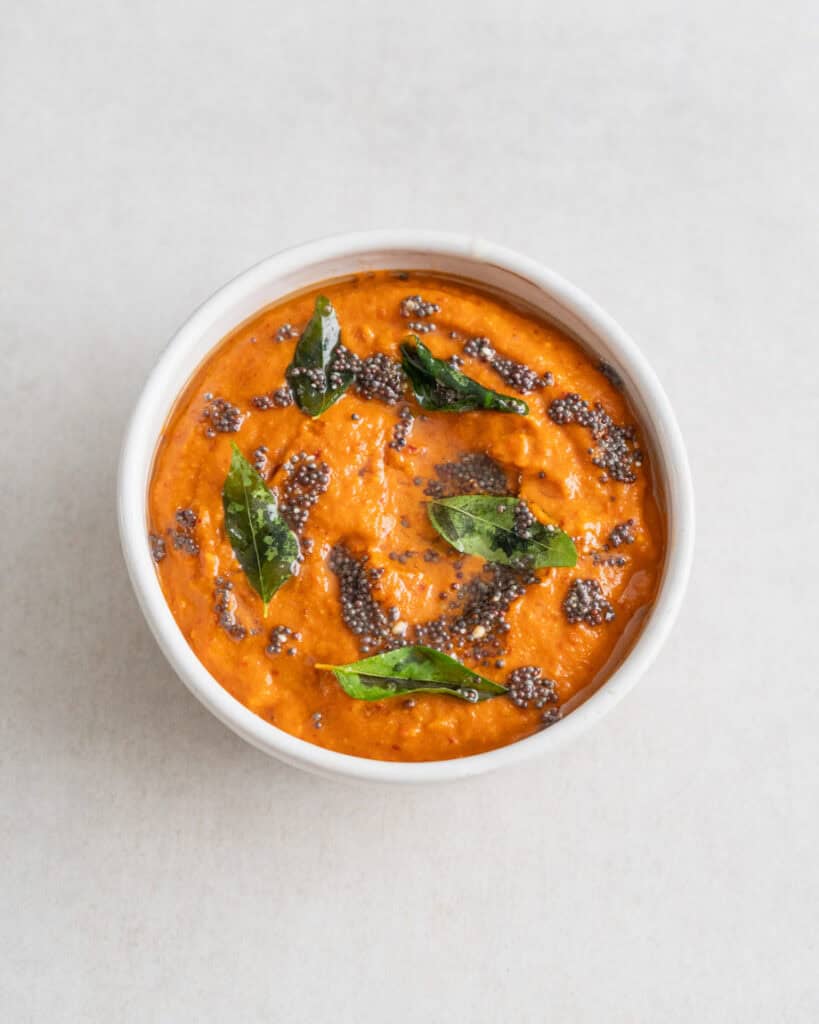
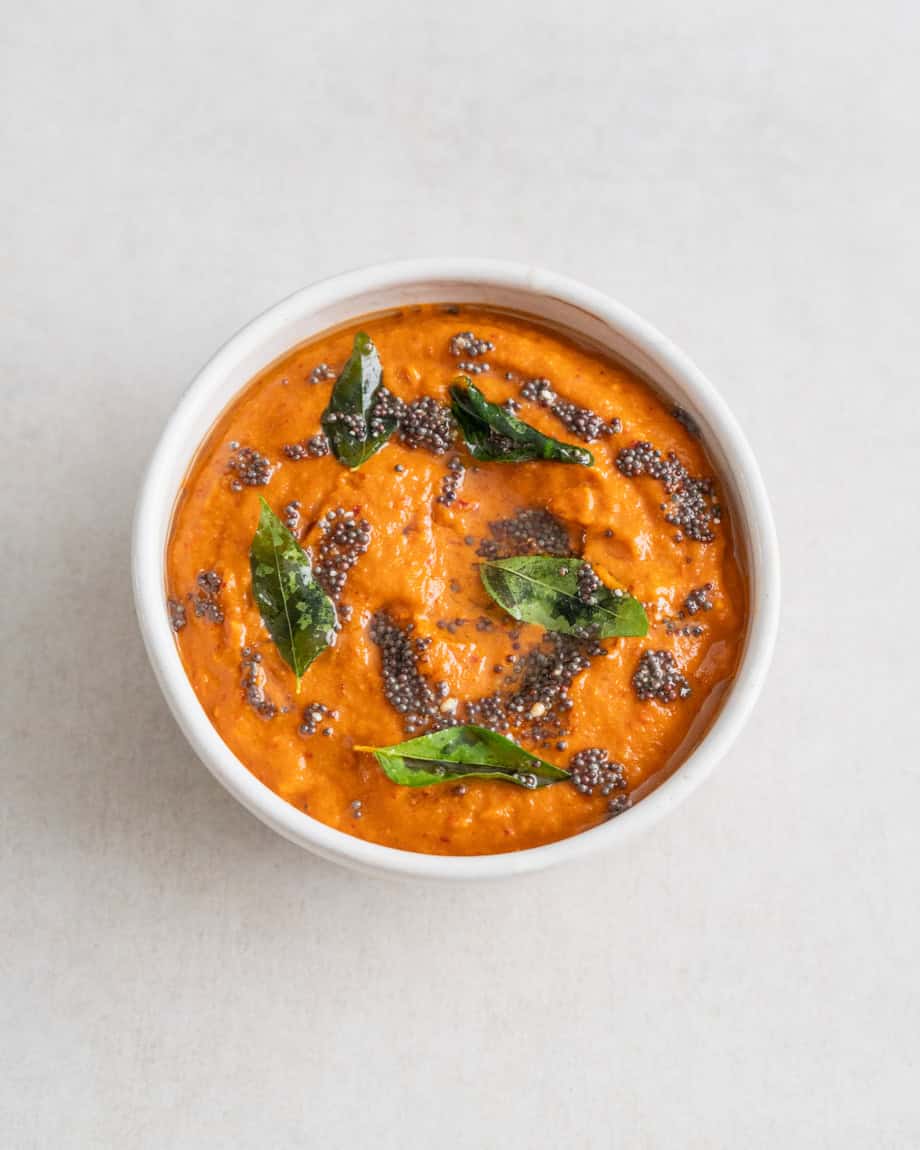
- Kara Chutney: A spicy tomato, onion and garlic chutney that is also often paired with dosa
**I receive a small commission from affiliate links on this page**
Dosa (South Indian Rice & Lentil Pancakes)
Ingredients
- 150 g idli rice
- 150 g Sona Masoori rice (or basmati rice)
- 100 g urad dal (husked black gram)
- 30 g chana dal
- 20 g thin or medium poha
- ½ tsp fenugreek seeds
- 1 tsp salt (7g)
- 2-3 tbsp vegetable oil for greasing
- 1 small onion
Instructions
- The day before, add both types of rice to a bowl and wash in plenty of fresh water. Drain and repeat two more times, then soak in 700ml of fresh water for 3–4 hours. Add the urad dal, chana dal, poha and fenugreek seeds to a separate bowl and wash just once with plenty of water (otherwise you remove too much of the natural yeasts). Drain, then soak in fresh water for 3–4 hours.
- Drain the rice but keep the soaking water. Add the rice to a high-speed blender (I used my Vitamix E310) with 130–150ml of the reserved water and blend to a slightly grainy but pourable paste. Transfer to a large bowl and rinse the blender.
- Drain the urad dal, chana dal, poha and fenugreek seeds but keep the soaking water. Add them to the high-spreed blender with 150–170ml of the reserved water and blend to a smooth paste (a small amount dropped into a bowl of water should float). Add it to the rice paste and mix well with your hands to kick off the fermentation. Cover the bowl with a plate and leave to ferment for 8–24 hours in a warm place (such as the oven with just the light switched on). The fermented batter should have risen in volume and smell tangy. Once ready, store it in the fridge until needed. Before continuing with the dosa, make the Sambar, Coconut Chutney and/or Kara Chutney.
- Before frying, add the 1 teaspoon (7g) of salt to the dosa batter and, if necessary, some water (around 50ml) to achieve a thick pouring consistency, similar to a pancake batter. Give the batter a good mix to stir out some of the air, otherwise it won’t spread evenly. You can use a non-stick frying pan or a cast iron skillet to make the dosa.
- For a non-stick frying pan, heat the pan over medium-heat until hot, then reduce the heat to low. Pour a ladle of the batter into the dry hot pan, spreading it out to a thin pancake with the back of the ladle. If the batter doesn’t spread, it might be too thick (add more water) or the pan might be too hot (let it cool a little). Drizzle a teaspoon of oil around the edges and over the dosa. Cook until the bottom is evenly golden, flip it over and cook the other side for just a minute until golden in spots. Flip it back and continue frying until crispy, then roll the dosa into a cylinder before transferring it to a plate. Wipe the pan clean with some kitchen paper and repeat.
- For a cast iron skillet, heat the pan over medium-heat until well heated. You'll need to reinforce a non-stick layer: Cut the small onion in half. Once the cast-iron pan is hot, turn down the heat to low and add a splash of water. It should dance in small balls over the surface before evaporating, otherwise heat it a little longer. Wipe the pan dry with a folded kitchen paper, then add 2-3 drops of oil and spread it out with the cut side of the onion (you can pierce it with a fork and use the fork as a handle) to create a non-stick coating. Pour a ladle of the batter into the pan and spread it out into a thick pancake. If the batter doesn’t spread, it might be too thick (add more water) or the pan might be too hot (let it cool a little). Drizzle another teaspoon of oil around the edges and over the dosa. Cook until the dosa begins to look golden brown around the edges and the surface looks cooked through (6-8 minutes). Then gently loosen it from the pan and fold it into a semi-circle before serving. Wipe the pan clean with some kitchen paper and repeat the non-stick layer.
- Serve the dosa warm with Sambar, Coconut Chutney or Kara Chutney.



0 Comments