
Ingredients
For the Spiced Stew
-
300g split yellow peas
-
2 onions
-
200g Swiss chard
-
neutral oil for frying (veg, sunflower or avocado)
-
5 garlic cloves
-
30g ginger
-
30 curry leaves
-
1 1/2 tsp cumin seeds
-
1 tsp coriander seeds
-
½ tsp garam masala
-
½ tsp chilli powder
-
¼ tsp cinnamon
-
¼ tsp turmeric
-
1 tin cherry tomatoes
-
400 ml oat milk
-
125g brown rice
-
1 lemon
For the Temper
-
2 garlic cloves
-
1 red chilli
-
1 tsp mustard seeds
-
10 curry leaves
Method
Start by washing the peas. Add them to a sauce pan and cover with water. Gently move them around with your hand, then strain the starchy water. Cover the peas again with fresh cold water and repeat until the water runs almost clear (3-4 times). Once they are washed, cover the peas with 900 ml water. Add 3/4 tsp salt, then bring to a boil and simmer covered for 45 minutes or until tender, adding more water if necessary. Turn off the heat and keep covered until needed.
In the meantime, peel and finely chop the onions (keep half a chopped onion aside for the temper). Strip and roughly tear the leaves of the chard and keep in the fridge for later. Then chop the stalks. Pour some oil into a casserole and gently sweat the onion and chard stalks. While they are cooking, peel and finely chop the garlic. Julienne the ginger (you can keep the skin on) and pick the curry leaves. Then toast the cumin and coriander seeds in a small frying pan and use a pestle & mortar to crush them finely.
When the onion and chard stalks have softened, add the garlic, ginger and around 2/3 of the curry leaves. Continue cooking until the leaves begin to crisp up, then add all of the spices to the pan and cook for about 30 seconds to wake up the flavours. Tip in the cherry tomatoes, breaking them up with a spoon as you go. Refill the tomato tin with the oat milk (one tin is 400 ml), and add to the casserole. Bring to a boil and cook covered for 1 hour while stirring every now and then to avoid it from sticking. As soon as the peas are done, add half of them including their liquid to the casserole. They will naturally thicken the stew. Keep the other half aside in the sauce pan.
Just before the hour is up, you can start cooking the brown rice. Add it to a sauce pan along with double the weight of water and a generous pinch of salt. Bring to a boil, then simmer covered for 25 minutes. Once it’s cooked, just turn off the heat and keep covered until you serve.
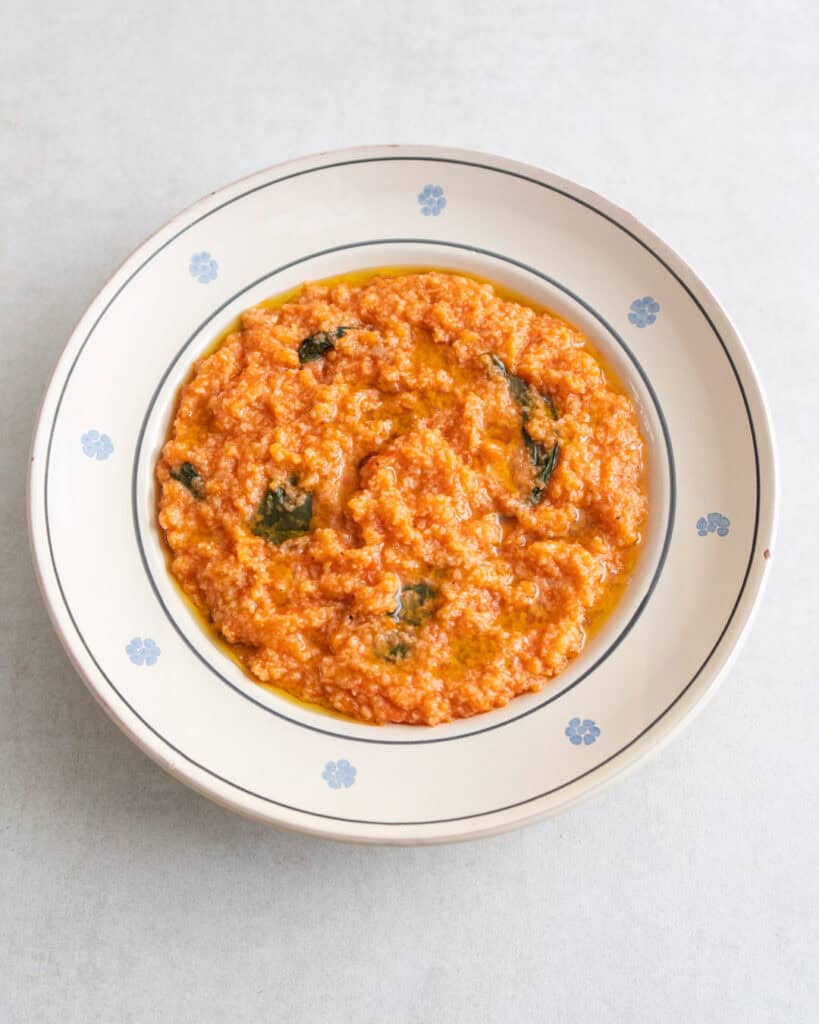
To finish the stew, take off the lid and keep simmering until the peas begin to disintegrate and thicken (30 minutes). You can also use a potato masher to break them up. Add the remaining peas including their cooking liquid along with the reserved chard leaves. Cook for another 5-10 minutes until the chard is wilted.
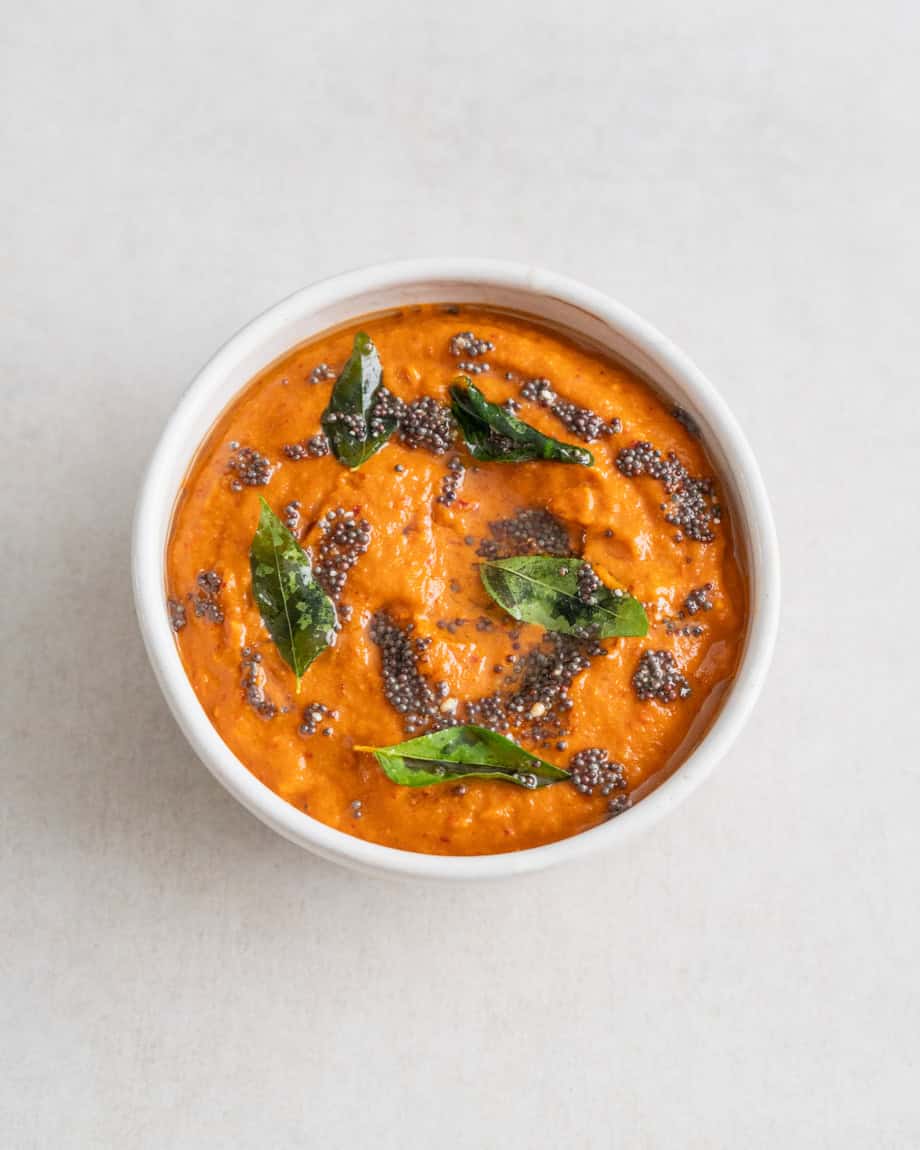
In the meantime make the temper. Peel and finely slice the garlic and chilli. Heat a generous glug of neutral tasting oil in a frying pan, then tip in the mustard seeds and remaining onion. Fry on medium-high heat until the onion just begins to brown. Add the garlic and sliced red chilli and cook for another minute until the garlic slices are lightly golden. Remove from the heat and add a bit more oil to break the frying.
Squeeze the juice of the lemon into the stew and mix through. Serve into bowls and top with the temper, alongside the brown rice.
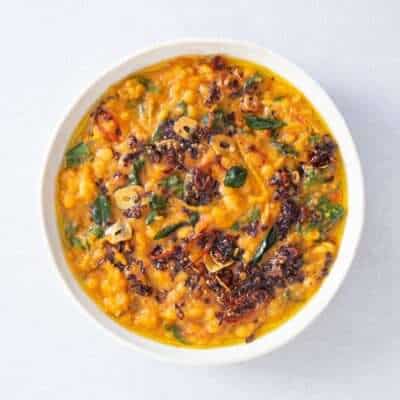
British Yellow Pea Stew
Ingredients
For the Spiced Stew
- 300 g split yellow peas
- 2 onions
- 200 g Swiss chard
- neutral oil for frying (veg, sunflower or avocado)
- 5 garlic cloves
- 30 g ginger
- 30 curry leaves
- 1 1/2 tsp cumin seeds
- 1 tsp coriander seeds
- 1/2 tsp garam masala
- 1/2 tsp chilli powder
- 1/4 tsp cinnamon
- 1/4 tsp turmeric
- 1 tin cherry tomatoes
- 400 ml oat milk
- 125 g brown rice
- 1 lemon
For the temper
- 2 garlic cloves
- 1 red chilli
- 1 tsp mustard seeds
- 10 curry leaves
Instructions
- Start by washing the peas. Add them to a sauce pan and cover with water. Gently move them around with your hand, then strain the starchy water. Cover the peas again with fresh cold water and repeat until the water runs almost clear (3-4 times). Once they are washed, cover the peas with 900 ml water. Add 3/4 tsp salt, then bring to a boil and simmer covered for 45 minutes or until tender, adding more water if necessary. Turn off the heat and keep covered until needed.
- In the meantime, peel and finely chop the onions (keep half a chopped onion aside for the temper). Strip and roughly tear the leaves of the chard and keep in the fridge for later. Then chop the stalks. Pour some oil into a casserole and gently sweat the onion and chard stalks. While they are cooking, peel and finely chop the garlic. Julienne the ginger (you can keep the skin on) and pick the curry leaves. Then toast the cumin and coriander seeds in a small frying pan and use a pestle & mortar to crush them finely.
- When the onion and chard stalks have softened, add the garlic, ginger and around 2/3 of the curry leaves. Continue cooking until the leaves begin to crisp up, then add all of the spices to the pan and cook for about 30 seconds to wake up the flavours. Tip in the cherry tomatoes, breaking them up with a spoon as you go. Refill the tomato tin with the oat milk (one tin is 400 ml), and add to the casserole. Bring to a boil and cook covered for 1 hour while stirring every now and then to avoid it from sticking. As soon as the peas are done, add half of them including their liquid to the casserole. They will naturally thicken the stew. Keep the other half aside in the sauce pan.
- Just before the hour is up, you can start cooking the brown rice. Add it to a sauce pan along with double the weight of water and a generous pinch of salt. Bring to a boil, then simmer covered for 25 minutes. Once it’s cooked, just turn off the heat and keep covered until you serve.
- To finish the stew, take off the lid and keep simmering until the peas begin to disintegrate and thicken (30 minutes). You can also use a potato masher to break them up. Add the remaining peas including their cooking liquid along with the reserved chard leaves. Cook for another 5-10 minutes until the chard is wilted.
- In the meantime make the temper. Peel and finely slice the garlic and chilli. Heat a generous glug of neutral tasting oil in a frying pan, then tip in the mustard seeds and remaining onion. Fry on medium-high heat until the onion just begins to brown. Add the garlic and sliced red chilli and cook for another minute until the garlic slices are lightly golden. Remove from the heat and add a bit more oil to break the frying.
- Squeeze the juice of the lemon into the stew and mix through. Serve into bowls and top with the temper, alongside the brown rice.






0 Comments