Baking Hermann
Recipes

Calypso Bean Tofu

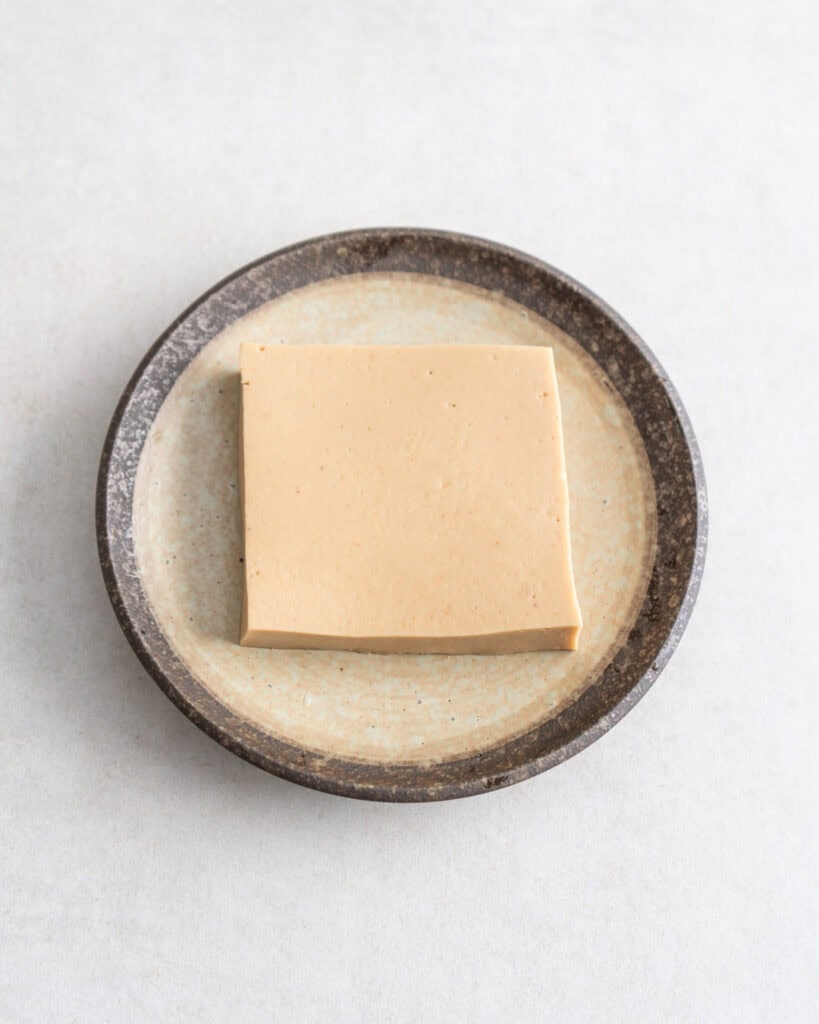
Burmese tofu is a common dish from the Shan minority in Burma (Myanmar) that is traditionally made with flour from split yellow lentils or chickpeas. It is different to traditional Chinese tofu, which is made by curdling soy milk and pressing the curds into a firm block. Instead, with Burmese tofu, the liquid is heated until it begins to coagulate and is then left to set into a soft block.

Instead, with Burmese tofu, the liquid is heated until it begins to coagulate and is then left to set into a soft block. Because of the difference in texture, you can’t use Burmese tofu as a substitute for firm soybean tofu, as it is rather delicate and might not withstand much stir frying or longer cooking times in liquids. I prefer cutting Burmese tofu into cubes and shallow frying them with a bit of salt until golden brown on each side. They can then be coated in your favourite sauce or spices and used to top off dishes or served as a side.

Although Burmese tofu is commonly made with chickpea flour, you can, in essence, use any dried legume and apply the same method by soaking and blending them. Most legumes are high in protein (around 20%). By extracting and heating them, you can change the protein bonds, causing them to firm up. Most of us have already experienced this process before when boiling an egg, turning the white from translucent to firm. Although this works with any dried legume (peas, lentils, beans…), it’s slightly different with soybeans, which are even higher in protein (around 40%) and therefore begin to curdle when heated in the form of soy milk like in this recipe.

IMPORTANT: Raw legumes, especially certain beans, are not safe to consume, because they contain natural toxins as a defence mechanism against predators. By straining the blended legumes, you’re removing any larger particles that might not cook in time, so please don’t skip this step or the tofu might upset your stomach. Always make sure that your tofu has set properly, otherwise start over instead of eating it anyway.

One of my favourite ways to use Burmese tofu is to be inspired by other cultures who have long adapted the use of chickpea flour into creations like panisse or panelle. If you’d like to experience with other legumes, try my green lentil, red lentil or chickpea tofu.

Ingredients

  • 200g dried calypso beans

Method

Soak the beans in plenty of water overnight or for at least 8 hours.

The next day, drain the beans and pulse them in a food processor (I use Ninja) to break down slightly. Then add 500 ml of water and blend until smooth.

Filter the blended beans through a sieve into a saucepan and use the back of the spoon to squeeze out as much liquid as possible (You can discard the leftover pulp, or use it to thicken stews, soups or even mix it into breads like this Sourdough Rye). Add 1/2 tsp of salt to the liquid and whisk it in. You will notice that some of the protein has already sunk to the bottom of the pan. Make sure to loosen it with the whisk or it will burn.

Bring the liquid to a gentle boil, whisking constantly. Keep simmering for 1 minute, whisking every now and then, until the mixture sticks to the whisk and doesn’t instantly level out when you stir it. When you tilt the pan, the liquid should move slowly. If it feels too runny, just cook it a little longer. Once ready, pour the mixture into a mould and let it set for an hour before using.

Calypso Bean Tofu

Burmese tofu is a common dish from the Shan minority in Burma (Myanmar) that is traditionally made with flour from split yellow lentils or chickpeas. It is different to traditional Chinese tofu, which is made by curdling soy milk and pressing the curds into a firm block.
5 from 1 vote
Active Time 1 hour 30 minutes
Course Staples
Servings 1 block

Ingredients
  

  • 200 g dried calypso beans

Instructions
 

  • Soak the beans in plenty of water overnight or for at least 8 hours.
  • The next day, drain the beans and pulse them in a food processor (I use Ninja) to break down slightly. Then add 500 ml of water and blend until smooth.
  • Filter the blended beans through a sieve into a sauce pan and use the back of the spoon to squeeze out as much liquid as possible (You can discard the leftover pulp, or use it to thicken stews, soups or even mix it into breads like this Sourdough Rye). Add 1/2 tsp of salt to the liquid and whisk it in. You will notice that some of the protein has already sunk to the bottom of the pan. Make sure to loosen it with the whisk or it will burn.
  • Bring the liquid to a gentle boil, whisking constantly. Keep simmering for 1 minute, whisking every now and then, until the mixture sticks to the whisk and doesn’t instantly level out when you stir it. When you tilt the pan, the liquid should move slowly. If it feels too runny, just cook it a little longer. Once ready, pour the mixture into a mould and let it set for an hour before using.
Print Recipe

2 Comments

  1. Emmanuel

    5 stars
    Hello Hermann,

    have you ever tried to post-process this tofu (or the other burmese ones) by having it pass through tempeh fermentation ?

    Reply
    • Julius Fiedler

      Interesting! I haven’t yet, but suppose it wouldn’t be firm enough

      Reply

Submit a Comment

Your email address will not be published. Required fields are marked *

Recipe Rating


Recent Recipes

Kara Chutney (Spicy Indian Garlic, Onion and Tomato Chutney)

Kara Chutney (Spicy Indian Garlic, Onion and Tomato Chutney)

Chutneys are a powerful way to enrich a great many Indian dishes with varying flavors and textures. To add a little bit of heat, Kara Chutney is a fiery asset to have in your chutney repertoire. My Recipe Videos [mv_playlist id="5541" jsonLd="false" key="5541"...

Dosa (South Indian Fermented Rice & Lentil Pancakes)

Dosa (South Indian Fermented Rice & Lentil Pancakes)

Dosa needs no introduction. It has long gained popularity around the world as a thin, cylinder-shaped, crispy pancake that is served so large, it reaches far over the edges of the plate. In South India's Bengaluru, however, another version of dosa reigns supreme....

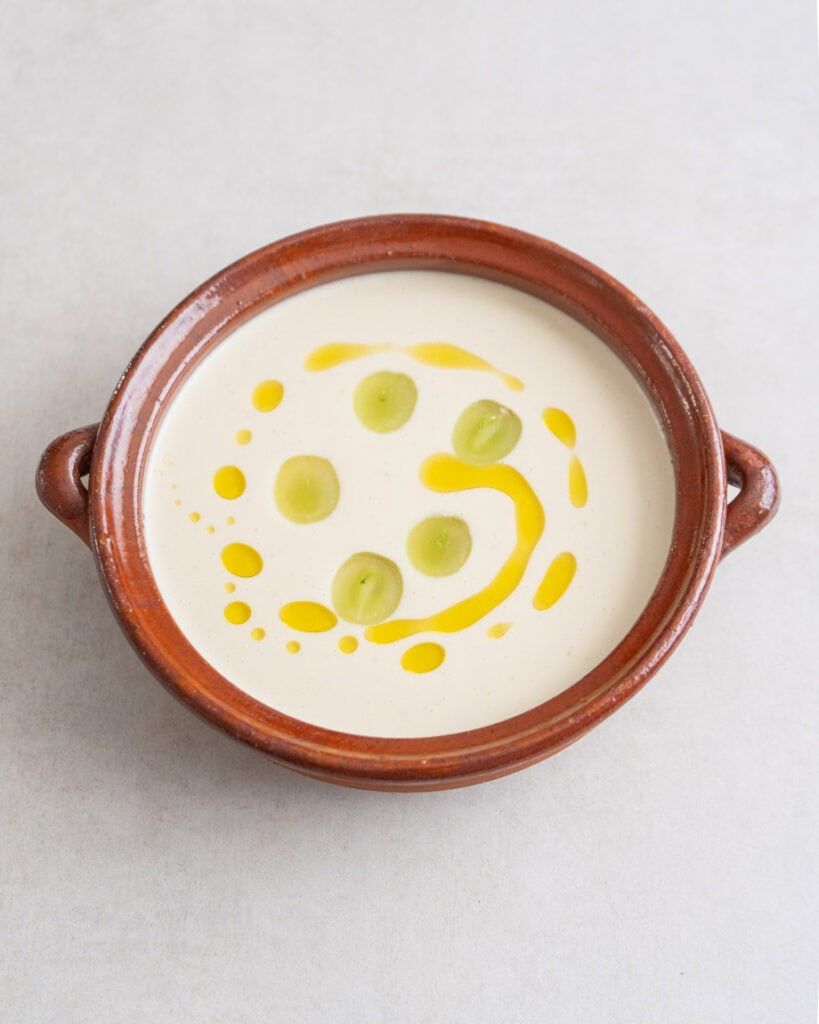
Ajo Blanco (Spanish Bread & Almond Soup)

Ajo Blanco (Spanish Bread & Almond Soup)

The first time I made Ajo Blanco was an absolute mess. I can't recall what recipe I followed, but the ratios were completely off and it included unnecessary steps of passing the blended soup through a sieve. I faintly remember trying to squeeze a pulp-like mix of...

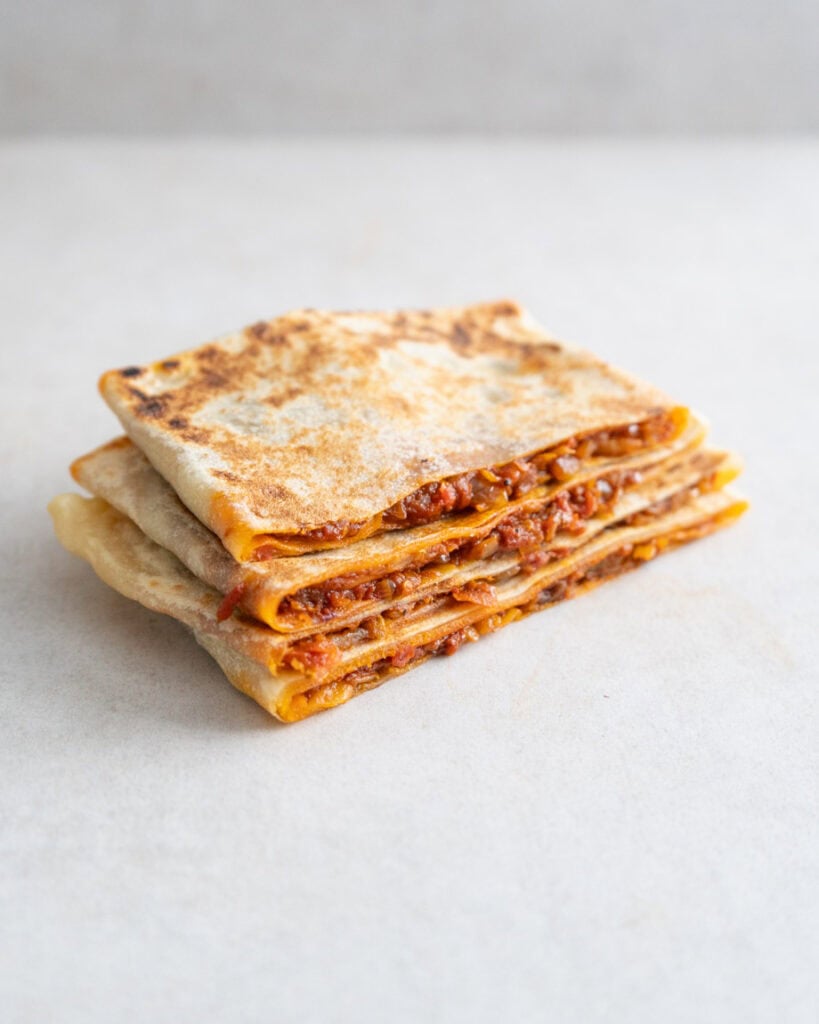
Mhajeb (Algerian Stuffed Flatbreads)

Mhajeb (Algerian Stuffed Flatbreads)

Upgrade your flatbread game with these Algerian Mhajeb. Flatbreads are delightful, especially when stuffed, but Mhajeb take it to the next level. The dough is stretched out so thin that you can literally see your hand through it. The result is incredible soft layered...

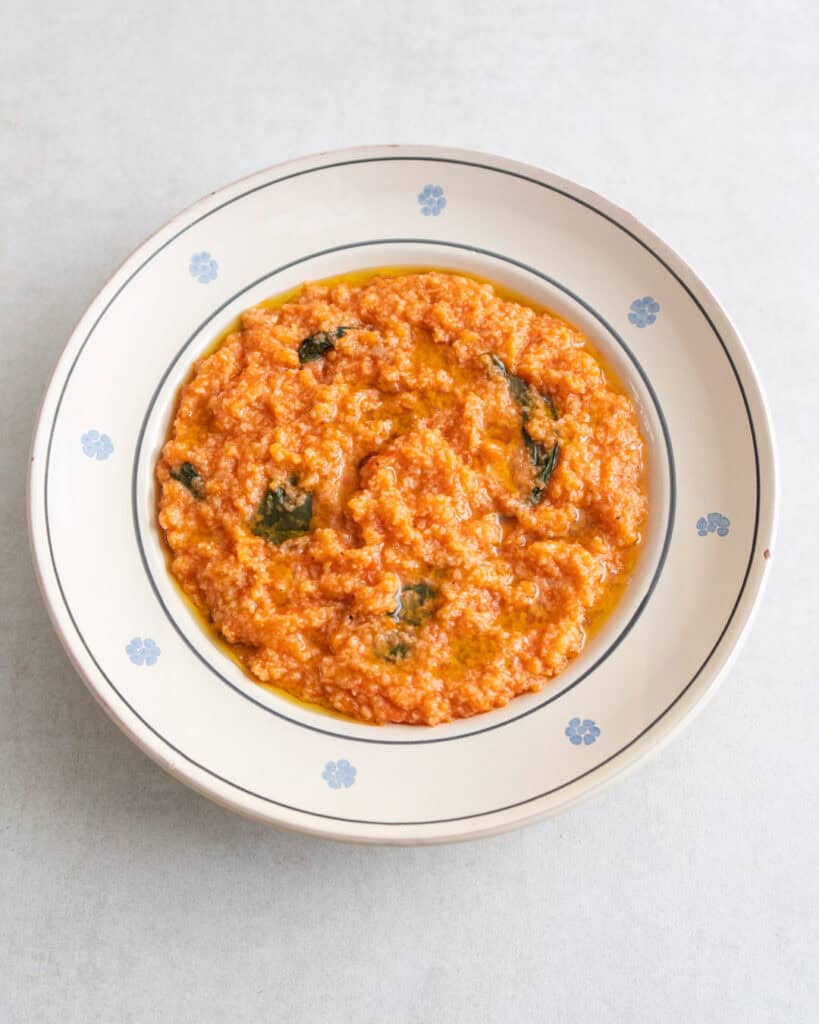
Pappa al Pomodoro (Tuscan Tomato and Bread Soup)

Pappa al Pomodoro (Tuscan Tomato and Bread Soup)

Cucina Povera, Italy's kitchen of the poor, has long been known for its use of simple, humble ingredients and frugal cooking methods. With a lack of expensive ingredients, resourcefulness became a priceless way to make food more flavoursome and nourishing. And often...

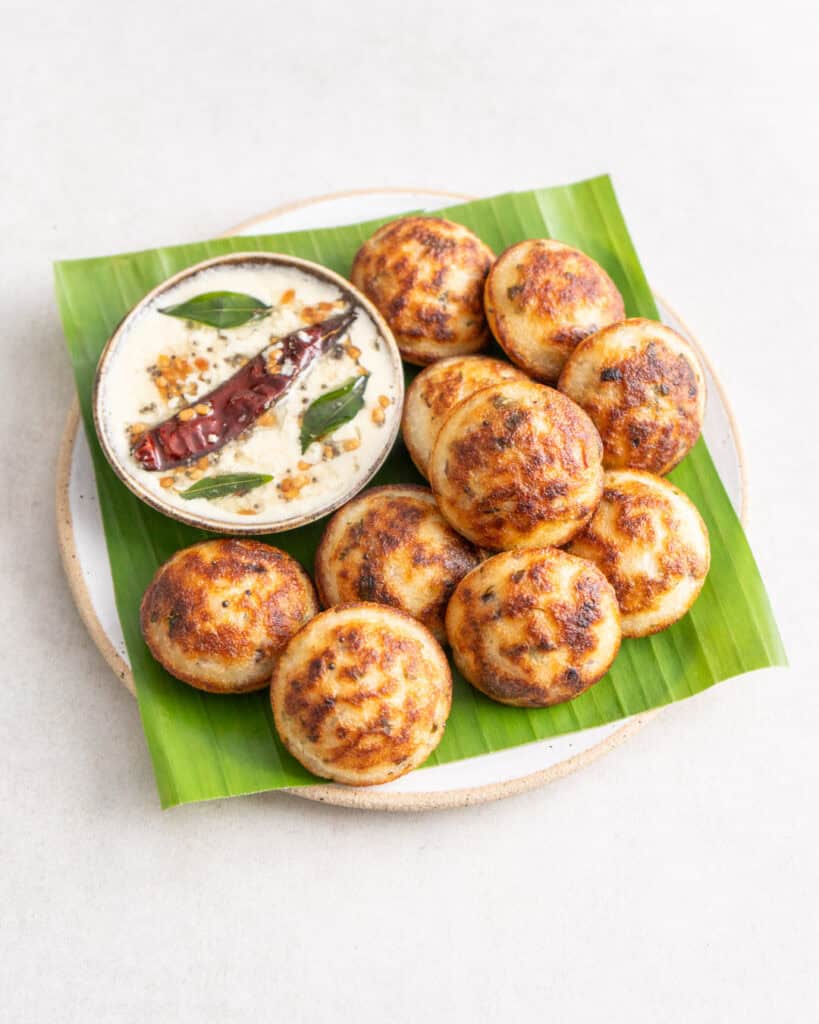
Kuzhi Paniyaram (Indian Crispy Lentil & Rice Balls)

Kuzhi Paniyaram (Indian Crispy Lentil & Rice Balls)

Ever since I made Idli for the first time, they have become a firm favourite. There is something magical about being able to mix together a simple batter made from rice and lentils and let it ferment all by itself without the need for any form of added yeast. A...

Peanut Spread (Gluten-free)

Peanut Spread (Gluten-free)

Previously, I've made tofu out of chickpeas, green peas, red lentils, black beans and, the traditional one, soybeans. Which is another way of saying that you can make tofu out of pretty much any legume. If you'd like to know more about this, check out my Any Legume...

Çiğ Köfte (Turkish Bulgur Balls)

Çiğ Köfte (Turkish Bulgur Balls)

Who would have thought that the Turkish Health Ministry would play a part in creating one of the country's most iconic plant-based street food dishes? Çiğ Köfte has long been a staple food in the southeastern parts of Türkiye. However, it is traditionally made with a...

Curry Leaves Ice Cubes

Curry Leaves Ice Cubes

Curry leaves grow in abundance in India and are easily available in most shops for a few rupees. But if you live elsewhere you might find it difficult to source them. The trouble is that curry leaves are an incredibly aromatic and delicious addition to Indian food....

Kenyan Chapati

Kenyan Chapati

These flakey flatbreads are the perfect companion to Ndengu, a rich Kenyan mung bean curry. Although called chapati, it is similar to Indian Laccha Paratha, one of the many cross-cultural influences from the Indian subcontinent that workers brought to Kenya in the...

Ndengu (Kenyan Mung Bean Curry)

Ndengu (Kenyan Mung Bean Curry)

In the 19th century, thousands of Indian workers were employed in Kenya to build a vast local railway network. They brought with them their own food culture and used ingredients and cooking methods to create dishes that felt close to home. Today, many Kenyan dishes...

Hazelnut Tofu (Hazelnut Dofu)

Hazelnut Tofu (Hazelnut Dofu)

Imagine the flavour of roasted nuts captured into a creamy pudding. That's what Hazelnut Dofu is all about. It's inspired by Goma Dofu, a traditional Japanese appetiser that is made with sesame seeds and kuzu starch. But you can follow the same method and turn any nut...