Baking Hermann
Recipes

How to Temper Chocolate

Knowing how to temper chocolate is a skilful way to level up your confectionary game. Properly tempered chocolate has a shiny finish and breaks with a satisfying snap, whereas chocolate that hasn’t been tempered looks dull, quickly melts in your hands and feels soft. Be it for coating pralines or creating festive chocolates with moulds, tempered chocolate will always show that a skilled hand has been at work.

But why do you actually need to temper chocolate? When you heat chocolate, you separate the fatty acid crystals inside the cocoa butter. If you would simply let it cool down, the crystals will form unevenly, creating a change in texture and appearance. By adding pieces of chocolate to the melted chocolate, you lower the temperature while allowing the crystals to reconnect in an organised form. The temperature is then raised again very gently to keep the chocolate smooth and liquid while using it as you wish. Beware that the temperatures differ for dark, milk and white chocolate. I’ve listed them all in the notes below.

Ingredients

  • 150g dark chocolate (75%)

Method

Chop all of the chocolate into small pieces so that it melts evenly. Then set 50g aside for later.

Melt the remaining 100g of chocolate, stirring constantly, in a Bain Marie (a heat-proof bowl placed over a pan of barely simmering water, without the water touching the bowl). Once melted, remove the bowl from the heat and add half of the remaining chocolate, stirring it in until melted. Then keep stirring until the mixture cools down to around 45°C. Add the remaining chocolate and keep stirring again until you reach 27°C. At this temperature, dark chocolate begins to solidify and it should feel a little thicker and glossier. At this point, you want to place the bowl back over the pan for just 30 seconds to warm up the bottom of the bowl, thereby keeping the chocolate smooth and liquid. Make sure not to exceed 32°C though, as the crystals would begin to separate and you’d need to temper the batch again (careful, the bowl will continue to carry over the heat, so warm it up for just 30 seconds and check the temperature before warming it any more).

You can now use a spoon to drizzle the chocolate into a mold (or use a pastry brush) or dip whatever you’d like coated directly into the chocolate. Place the moulds upside down onto a wire rack to let any excess chocolate drip off, then refrigerate the chocolate for around 15 minutes until set.

How to Temper Chocolate

Knowing how to temper chocolate is a skilful way to level up your confectionary game. Properly tempered chocolate has a shiny finish and breaks with a satisfying snap, whereas chocolate that hasn’t been tempered looks dull, melts in your hands and feels soft.
Active Time 45 minutes
Course Staples

Ingredients
  

  • 150 g dark chocolate (75%)

Instructions
 

  • Chop all of the chocolate into small pieces so that it melts evenly. Then set 50g aside for later.
  • Melt the remaining 100g of chocolate, stirring constantly, in a Bain Marie (a heat-proof bowl placed over a pan of barely simmering water, without the water touching the bowl). Once melted, remove the bowl from the heat and add half of the remaining chocolate, stirring it in until melted. Then keep stirring until the mixture cools down to around 45°C. Add the remaining chocolate and keep stirring again until you reach 27°C. At this temperature, dark chocolate begins to solidify and it should feel a little thicker and glossier. At this point, you want to place the bowl back over the pan for just 30 seconds to warm up the bottom of the bowl, thereby keeping the chocolate smooth and liquid. Make sure not to exceed 32°C though, as the crystals would begin to separate and you’d need to temper the batch again (careful, the bowl will continue to carry over the heat, so warm it up for just 30 seconds and check the temperature before warming it any more).
  • You can now use a spoon to drizzle the chocolate into a mould (or use a pastry brush) or dip whatever you’d like coated directly into the chocolate. Place the moulds upside down onto a wire rack to let any excess chocolate drip off, then refrigerate the chocolate for around 15 minutes until set.
Print Recipe

0 Comments

Submit a Comment

Your email address will not be published. Required fields are marked *

Recipe Rating


Recent Recipes

Kara Chutney (Spicy Indian Garlic, Onion and Tomato Chutney)

Kara Chutney (Spicy Indian Garlic, Onion and Tomato Chutney)

Chutneys are a powerful way to enrich a great many Indian dishes with varying flavors and textures. To add a little bit of heat, Kara Chutney is a fiery asset to have in your chutney repertoire. My Recipe Videos [mv_playlist id="5541" jsonLd="false" key="5541"...

Dosa (South Indian Fermented Rice & Lentil Pancakes)

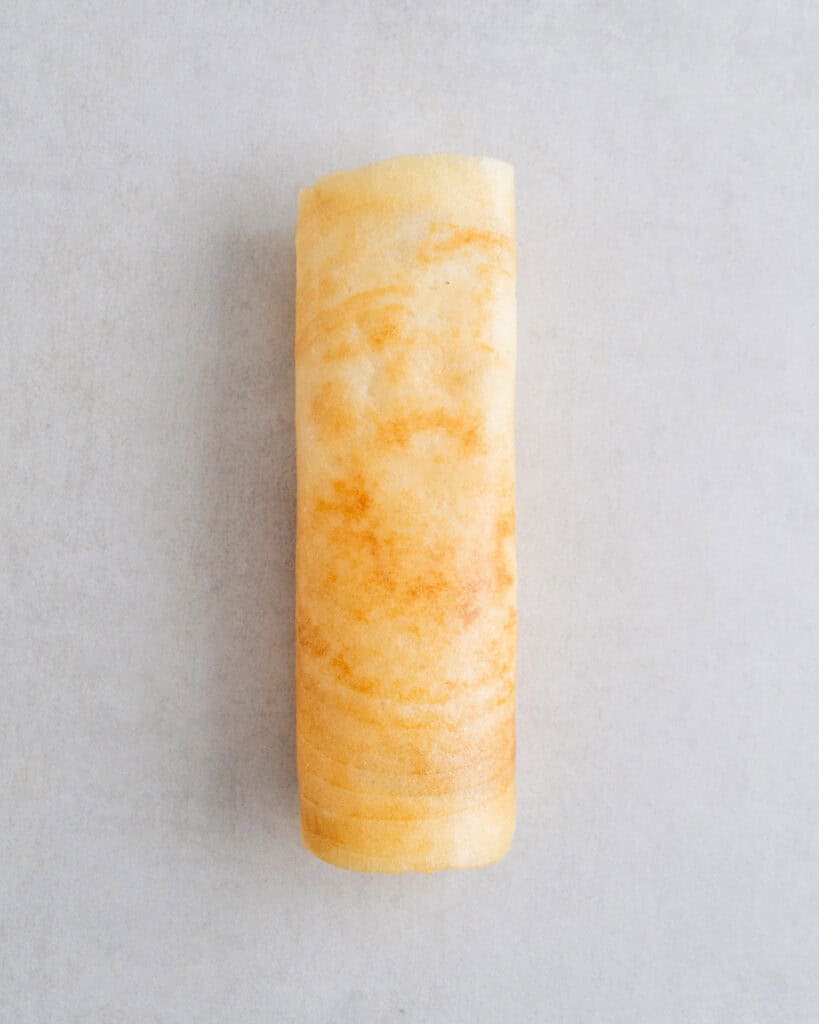
Dosa (South Indian Fermented Rice & Lentil Pancakes)

Dosa needs no introduction. It has long gained popularity around the world as a thin, cylinder-shaped, crispy pancake that is served so large, it reaches far over the edges of the plate. In South India's Bengaluru, however, another version of dosa reigns supreme....

Ajo Blanco (Spanish Bread & Almond Soup)

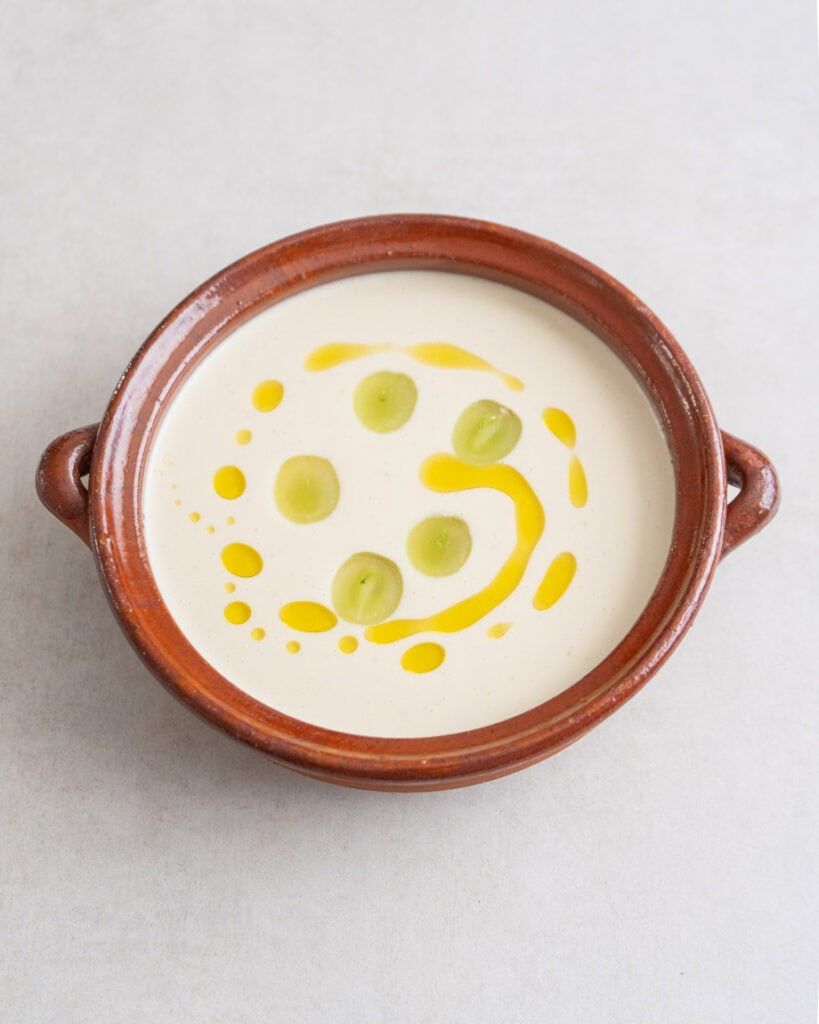
Ajo Blanco (Spanish Bread & Almond Soup)

The first time I made Ajo Blanco was an absolute mess. I can't recall what recipe I followed, but the ratios were completely off and it included unnecessary steps of passing the blended soup through a sieve. I faintly remember trying to squeeze a pulp-like mix of...

Mhajeb (Algerian Stuffed Flatbreads)

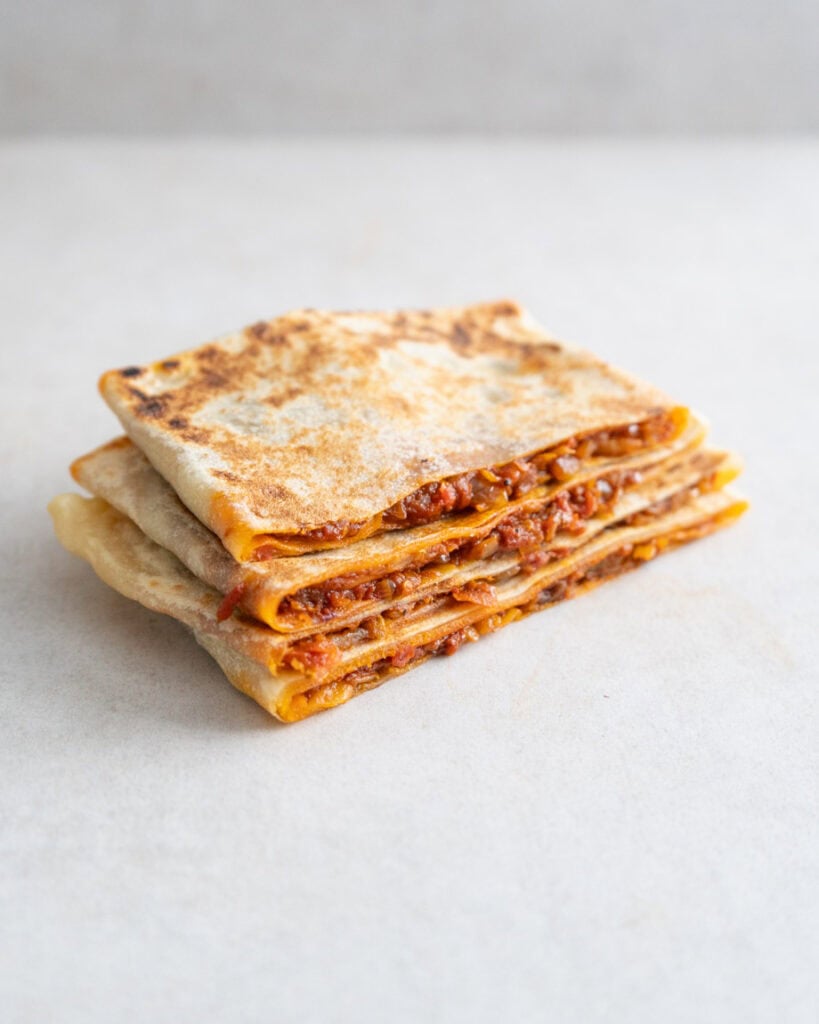
Mhajeb (Algerian Stuffed Flatbreads)

Upgrade your flatbread game with these Algerian Mhajeb. Flatbreads are delightful, especially when stuffed, but Mhajeb take it to the next level. The dough is stretched out so thin that you can literally see your hand through it. The result is incredible soft layered...

Pappa al Pomodoro (Tuscan Tomato and Bread Soup)

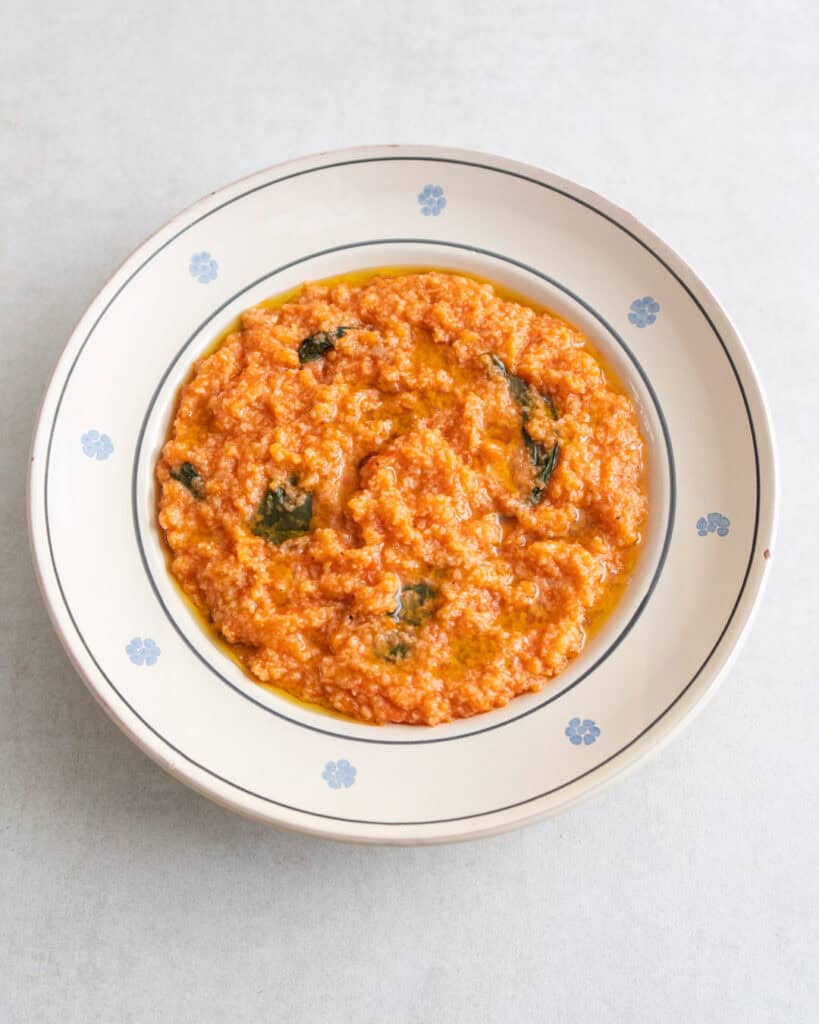
Pappa al Pomodoro (Tuscan Tomato and Bread Soup)

Cucina Povera, Italy's kitchen of the poor, has long been known for its use of simple, humble ingredients and frugal cooking methods. With a lack of expensive ingredients, resourcefulness became a priceless way to make food more flavoursome and nourishing. And often...

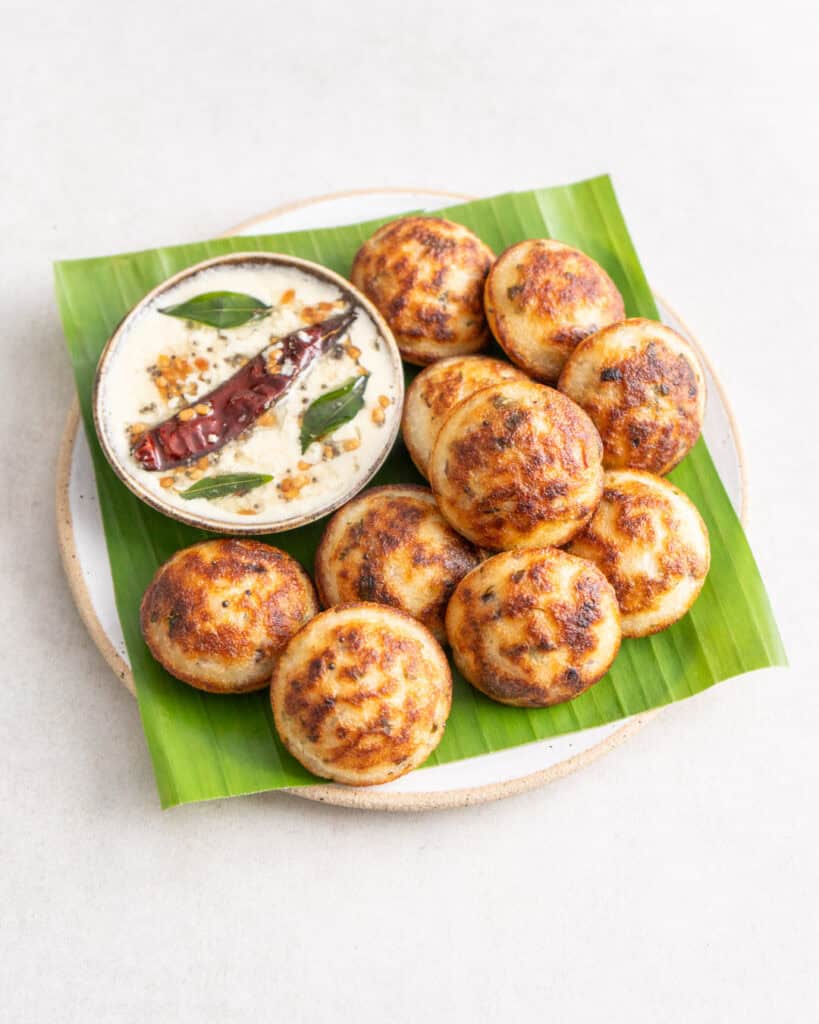
Kuzhi Paniyaram (Indian Crispy Lentil & Rice Balls)

Kuzhi Paniyaram (Indian Crispy Lentil & Rice Balls)

Ever since I made Idli for the first time, they have become a firm favourite. There is something magical about being able to mix together a simple batter made from rice and lentils and let it ferment all by itself without the need for any form of added yeast. A...

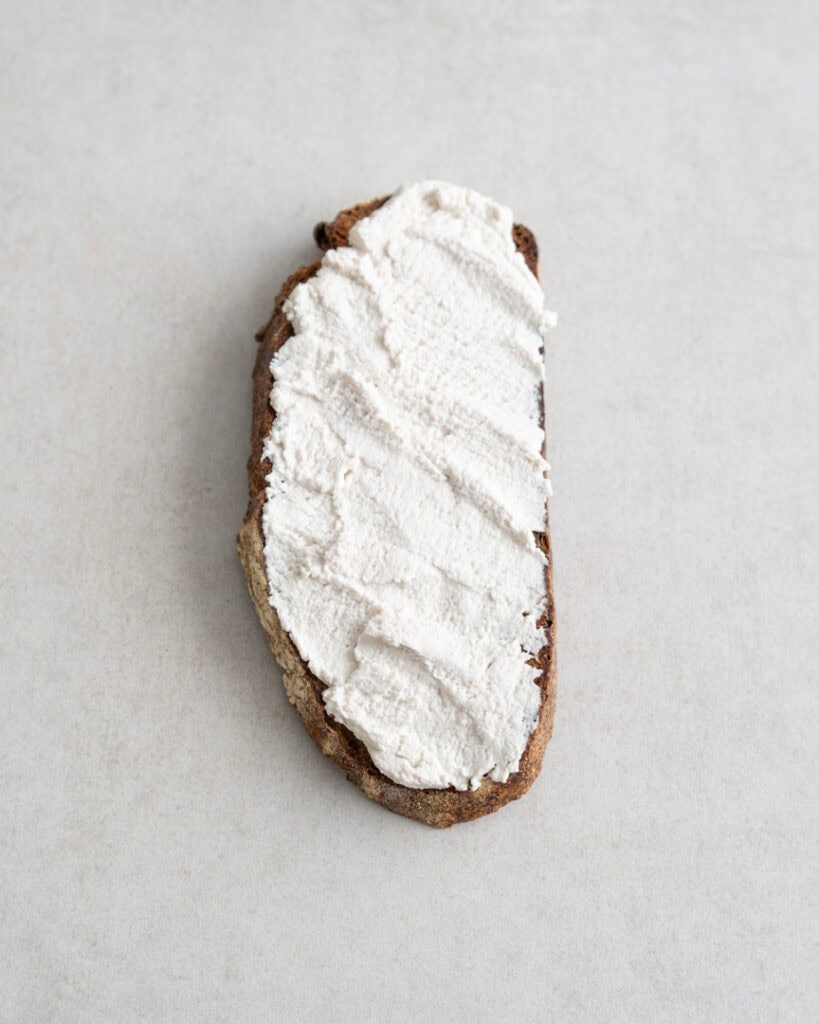
Peanut Spread (Gluten-free)

Peanut Spread (Gluten-free)

Previously, I've made tofu out of chickpeas, green peas, red lentils, black beans and, the traditional one, soybeans. Which is another way of saying that you can make tofu out of pretty much any legume. If you'd like to know more about this, check out my Any Legume...

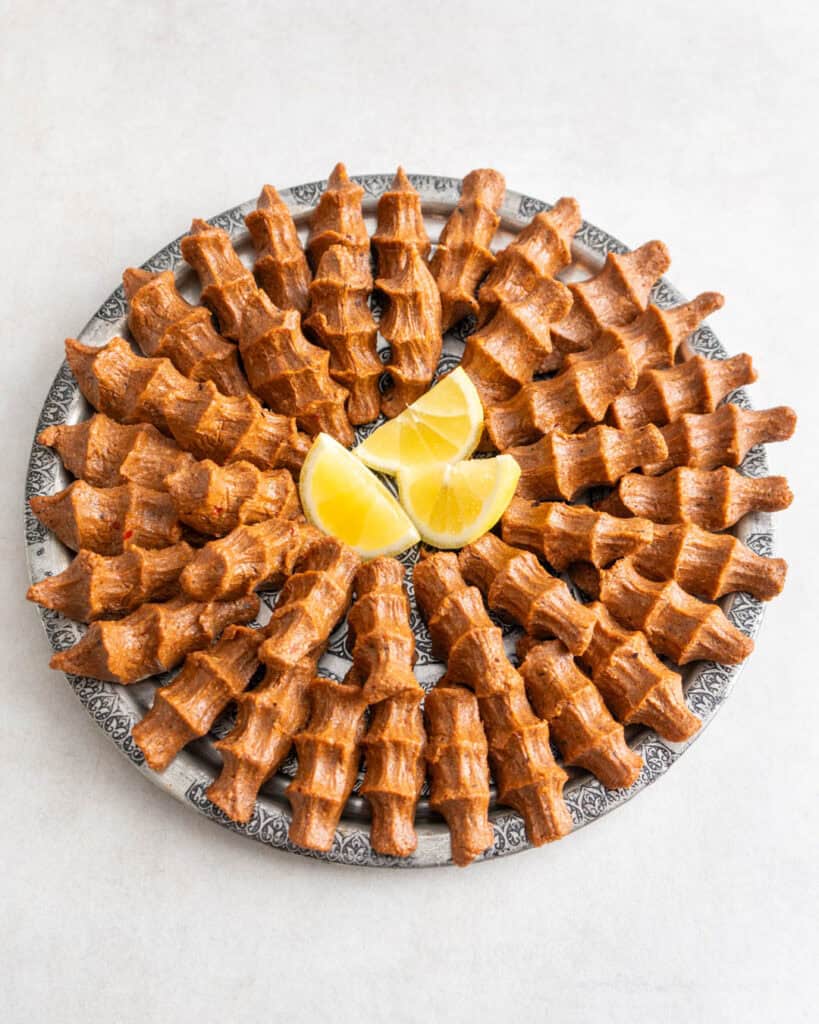
Çiğ Köfte (Turkish Bulgur Balls)

Çiğ Köfte (Turkish Bulgur Balls)

Who would have thought that the Turkish Health Ministry would play a part in creating one of the country's most iconic plant-based street food dishes? Çiğ Köfte has long been a staple food in the southeastern parts of Türkiye. However, it is traditionally made with a...

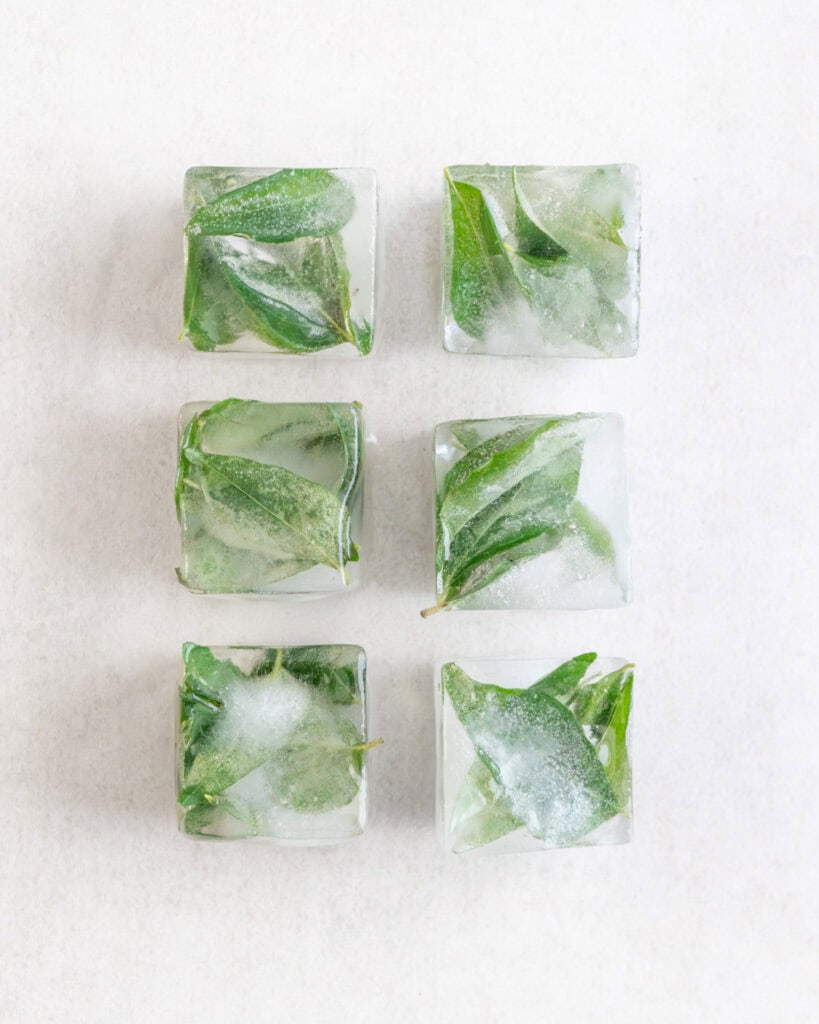
Curry Leaves Ice Cubes

Curry Leaves Ice Cubes

Curry leaves grow in abundance in India and are easily available in most shops for a few rupees. But if you live elsewhere you might find it difficult to source them. The trouble is that curry leaves are an incredibly aromatic and delicious addition to Indian food....

Kenyan Chapati

Kenyan Chapati

These flakey flatbreads are the perfect companion to Ndengu, a rich Kenyan mung bean curry. Although called chapati, it is similar to Indian Laccha Paratha, one of the many cross-cultural influences from the Indian subcontinent that workers brought to Kenya in the...

Ndengu (Kenyan Mung Bean Curry)

Ndengu (Kenyan Mung Bean Curry)

In the 19th century, thousands of Indian workers were employed in Kenya to build a vast local railway network. They brought with them their own food culture and used ingredients and cooking methods to create dishes that felt close to home. Today, many Kenyan dishes...

Hazelnut Tofu (Hazelnut Dofu)

Hazelnut Tofu (Hazelnut Dofu)

Imagine the flavour of roasted nuts captured into a creamy pudding. That's what Hazelnut Dofu is all about. It's inspired by Goma Dofu, a traditional Japanese appetiser that is made with sesame seeds and kuzu starch. But you can follow the same method and turn any nut...